A stay is shaped by far more than the size of a room or the number of amenities listed on a booking page. For many travellers, the most memorable part of a trip comes from feeling connected to the destination, recognised by the staff, and comfortable in an environment with real character. This is where a boutique hotel often offers a distinctly different experience from a large hotel chain.
While chain hotels can provide familiarity and extensive facilities, an independent property brings individuality, flexibility, and a more personal approach to hospitality. For guests visiting a historic city such as Zadar, these qualities can turn accommodation into a meaningful part of the journey.
A more personal guest experience
One of the clearest advantages of a boutique hotel is its ability to deliver personalised service. With fewer rooms and a smaller number of guests, staff can pay closer attention to individual preferences, travel plans, and practical needs during a stay.
At a large chain hotel, service is often designed around efficient and consistent processes. This can be useful for business travellers who value predictable standards across several destinations. However, a smaller property can adapt more naturally to the person behind the reservation.
A guest may need a quiet table for dinner, advice on hidden streets in the old town, assistance with transport, or recommendations based on specific interests such as art, local food, or history. In a boutique setting, these details are less likely to feel like an additional request and more like a natural part of the hospitality experience.
Personal attention creates a sense of ease, especially for travellers who want their hotel to feel welcoming rather than anonymous.
Character that cannot be standardised
A hotel chain often relies on a recognisable brand identity. Guests know what type of room, lobby, breakfast, and amenity they are likely to receive, whether they are staying in one city or another. Consistency is valuable, but it can also make different destinations feel surprisingly similar.
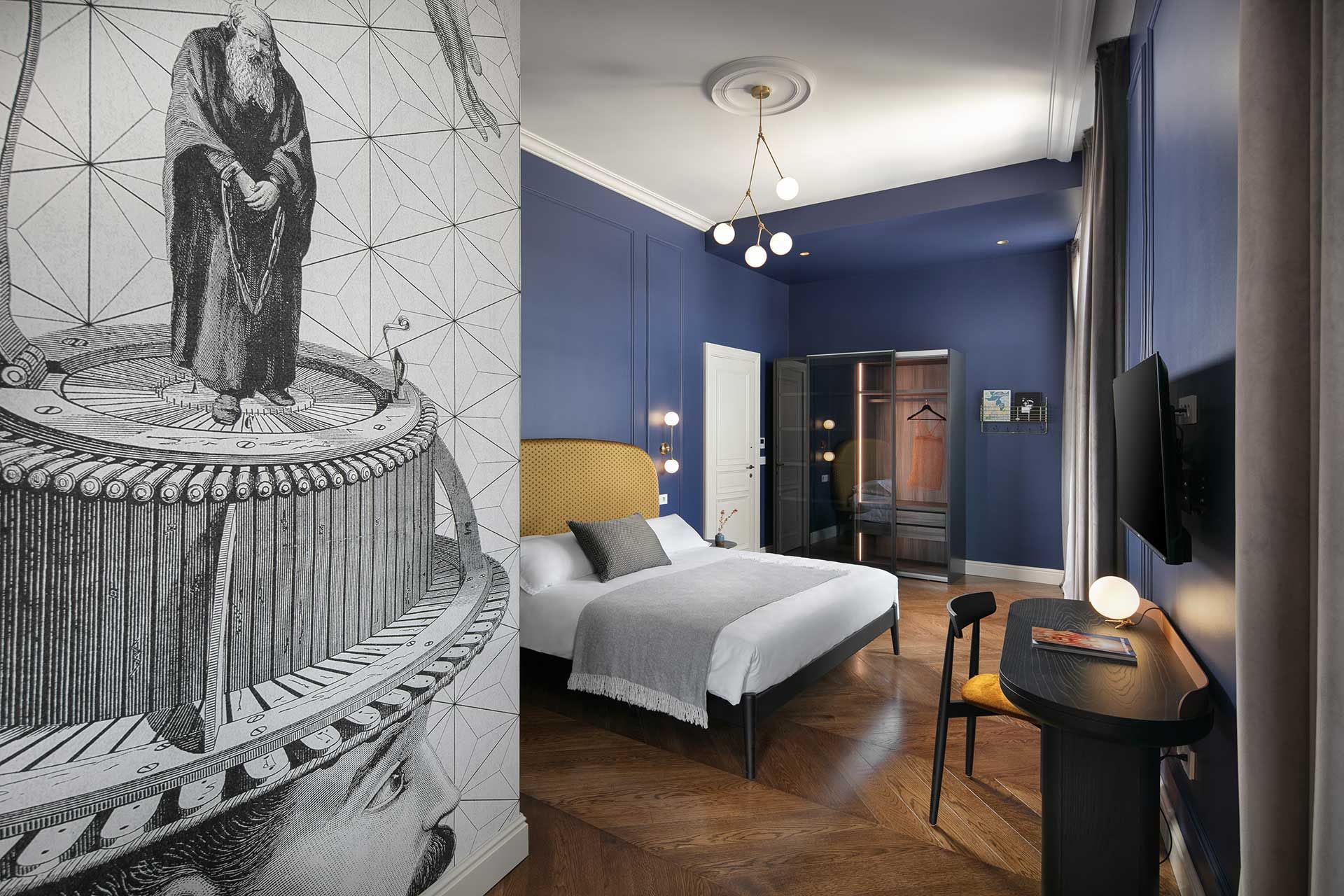
A boutique hotel is usually shaped by its individual property, local surroundings, and creative vision. Rather than following a uniform template, it may feature distinctive architecture, curated interiors, original artwork, and design details that reflect the spirit of its location.
In a heritage setting, this approach is particularly valuable. Restored historic buildings can preserve authentic features while introducing contemporary comfort. Each room may have its own layout, atmosphere, and visual identity instead of repeating the same design across several floors.
For guests, this means that the hotel itself becomes part of the story. The stay is not simply about sleeping near the city centre; it is about experiencing a space that belongs to that city.
A stronger connection to the location
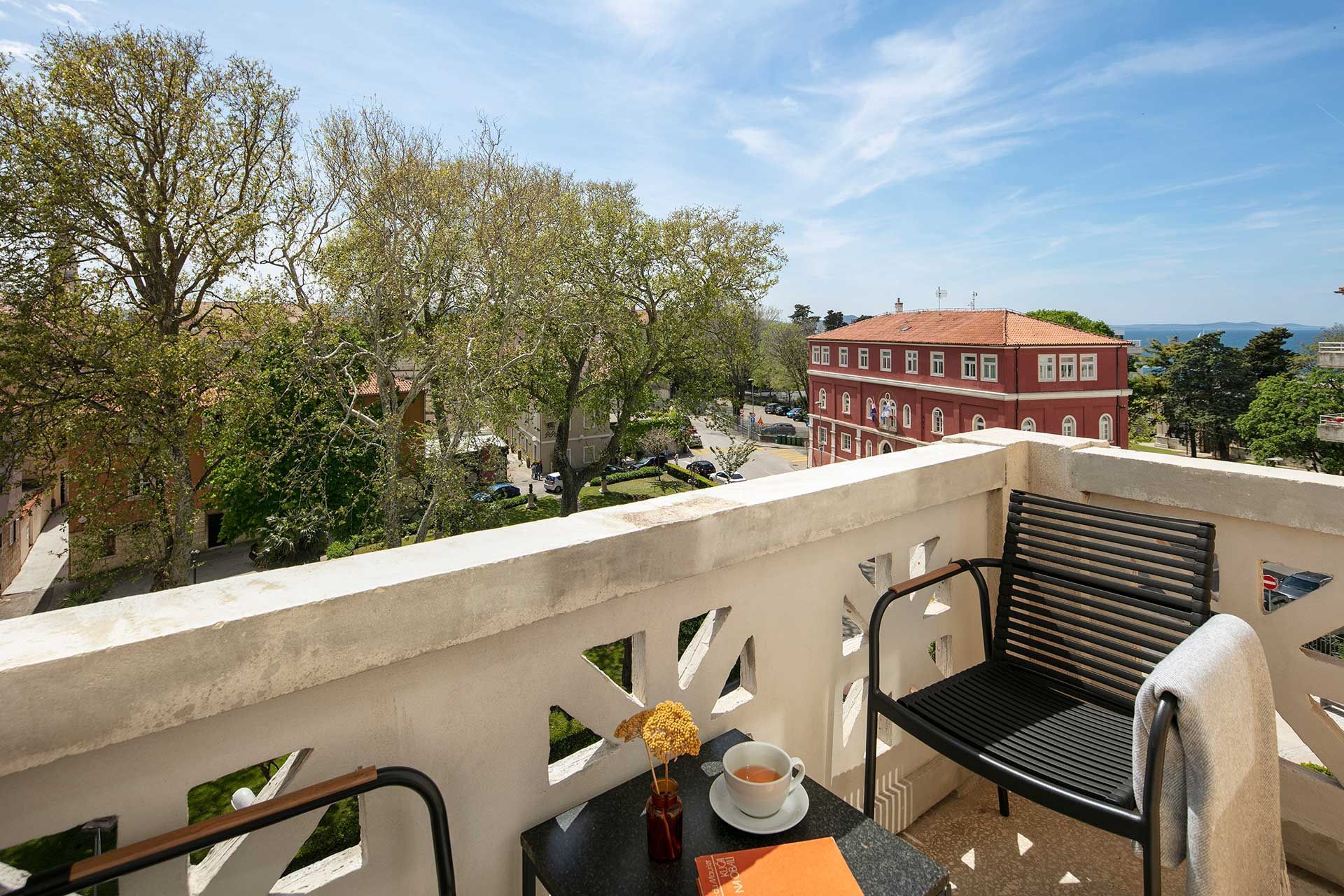
Location matters in every hotel offer, but boutique accommodation often makes more of its surroundings. Independent hotels are frequently established in neighbourhoods with a strong local identity, close to cultural landmarks, independent restaurants, galleries, waterfront promenades, or historic streets.
A centrally located boutique hotel in Zadar allows guests to explore Zadar at their own pace. Major sights, local cafés, and evening walks are close by, reducing the need to plan each movement around transport or long distances.
This proximity also supports a more spontaneous travel experience. Guests can return to their room for a short break, enjoy a relaxed dinner nearby, or explore the city at different times of day without feeling disconnected from their accommodation.
Rather than being a separate destination on the edge of town, a carefully positioned boutique property becomes a quiet base within the destination itself.
Intimacy, calm, and privacy
Large hotels can accommodate hundreds of guests at once. Their scale may bring extensive facilities, meeting spaces, pools, and multiple dining venues, but it may also mean busier communal areas, crowded breakfast rooms, and a less private atmosphere.
A smaller hotel naturally offers a different pace. Shared spaces tend to feel calmer, interactions are more discreet, and guests can enjoy a sense of privacy that is harder to achieve in a high-volume chain environment.
This is especially appealing for couples, culture-focused travellers, and adults seeking a peaceful city break. An adults-only boutique hotel can further support this atmosphere by creating a more serene setting for rest, dining, and conversation.
For private celebrations, small group travel, or creative retreats, the option to reserve an entire property can offer an additional level of exclusivity. This kind of flexibility is rarely available in a large hotel chain.
Dining with a local point of view
Food is another area where boutique hotels can stand apart. Chain properties may offer reliable international menus designed to appeal to a broad audience. A smaller hotel restaurant, by contrast, often has more freedom to develop its own culinary identity.
An intimate restaurant can focus on seasonal ingredients, thoughtful presentation, and an atmosphere that feels connected to the building and its surroundings. Dining in a hidden garden, a historic courtyard, or an art-filled interior adds another dimension to the meal.
At Almayer Art & Heritage Hotel, Corte Restaurant complements the hotel experience with refined gastronomy and a secluded green garden in the centre of Zadar. This kind of setting gives guests the opportunity to enjoy quality dining without leaving the calm of the property.
Flexible service beyond standard amenities
Amenities are important, but they do not always define the quality of a stay. A chain hotel may list a long range of facilities, while a boutique property focuses on services that feel useful, considered, and relevant to each guest.
A 24/7 reception, concierge support, secure direct booking, and attentive staff can make a considerable difference before arrival and throughout the visit. Direct communication also allows a hotel to respond more clearly to individual questions, special requests, and travel arrangements.
Without the rigid structure of a large hotel chain, an independent hotel can adjust its service more quickly. The result is a stay shaped around the guest’s needs, the character of the property, and the destination rather than a fixed corporate formula.