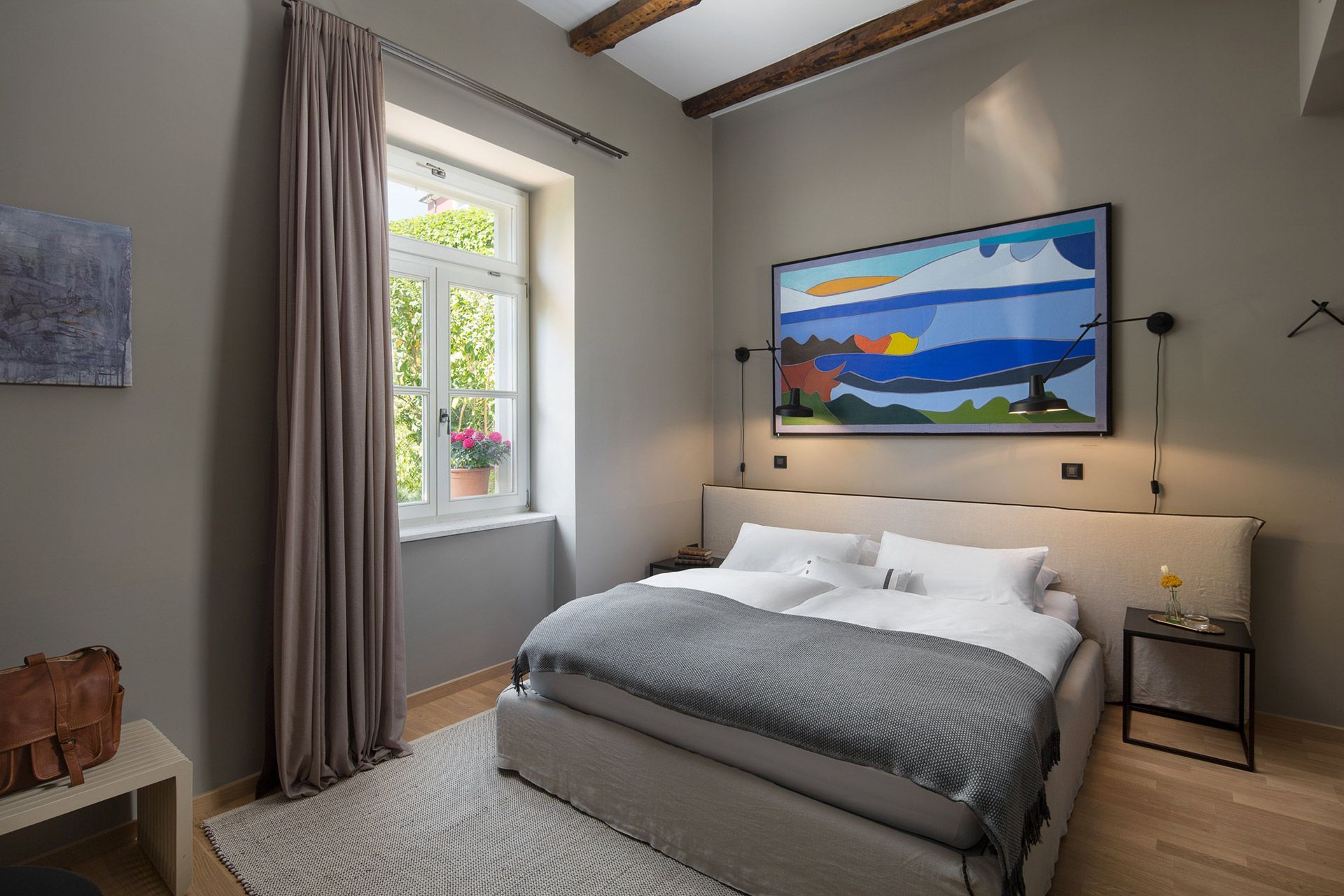
Art has become an essential part of modern hospitality. It no longer serves only as decoration placed on a wall to fill an empty space. Carefully selected artwork can shape how a guest feels from the first moment of arrival, creating atmosphere, curiosity and a stronger connection to the destination.
In a boutique hotel, art often becomes part of the property’s identity. It gives each room, corridor and shared area a distinctive character that cannot be reproduced by standard interior design alone. A meaningful collection can turn a stay into a more personal experience, where the hotel feels less like temporary accommodation and more like a place with its own story.
Art gives a hospitality space character
Modern travellers look for more than comfort and a convenient location. They value authenticity, visual harmony and a sense of place. Art helps create these qualities by adding layers of meaning to the hospitality space.
A thoughtfully chosen piece may reflect local history, the surrounding landscape or the creative energy of the city. It can introduce colour, texture and emotion while making an interior feel more individual. Instead of relying on generic design elements, a hotel can use artwork to communicate a clear visual language.
This approach is especially valuable in heritage buildings. When contemporary art is placed in a historic setting, the contrast can create an engaging dialogue between past and present. Original architectural details gain new relevance, while contemporary work brings freshness and movement into the space.
At Almayer Art & Heritage Hotel, the combination of restored heritage architecture, contemporary design and artistic expression creates a refined environment in the historic centre of Zadar. The setting allows guests to experience the city’s cultural character not only outside the hotel, but throughout their stay.
A stronger sense of place for every guest
A hotel can be beautifully designed without feeling connected to its location. Art changes that by offering a more direct relationship with the place. Works by a local artist, for example, can reveal different perspectives on a city, its people or its natural surroundings.
For guests, this creates a more memorable travel experience. A painting, sculpture or photographic work may encourage them to look at Zadar with greater attention. It may recall the colours of the Adriatic, the rhythm of the old town or the architectural details found nearby.
This sense of place is particularly important in boutique hospitality. Smaller hotels have the opportunity to create a more intimate atmosphere, where each room and shared space feels intentional. Rather than offering a uniform environment, they can shape a guest experience around details that carry personality.
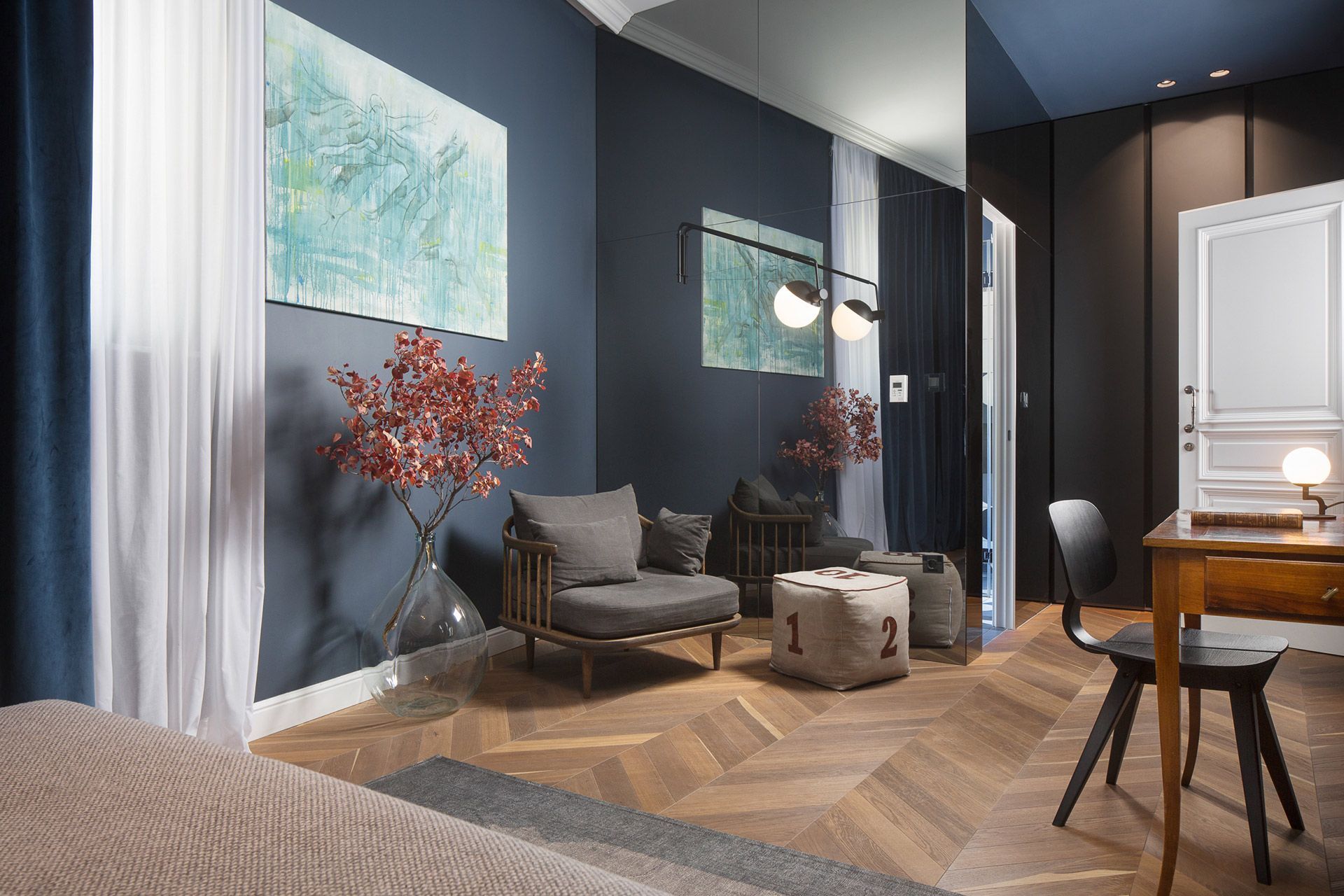
Art supports that feeling of discovery. A guest may notice a different detail in an artwork each time they pass through the lobby, enjoy a quiet moment in front of a piece in the hallway, or find inspiration in a work displayed near the restaurant garden. These small encounters add depth to the overall stay.
Art and interior design work together
The relationship between art and interior design should feel natural rather than forced. Artwork is most effective when it belongs to the space, complementing its materials, lighting, proportions and mood.
In hospitality design, this does not mean that every artwork needs to match the furniture or wall colour. In fact, contrast can be just as powerful. A bold contemporary piece can bring energy to a calm room, while a subtle work can balance a more expressive interior.
The most successful spaces are often those where art has been considered from the beginning of the design process. It can influence the choice of lighting, the placement of furniture and the way guests move through the hotel. A collection then becomes part of the spatial experience rather than an addition made at the end.
This level of care is visible when each room has its own character. Guests may stay in the same hotel more than once and still encounter a different atmosphere, a new artwork or another design detail that changes their perception of the space.
Supporting artists through meaningful visibility
Hotels can also play an important role in supporting the creative community. Displaying work by Croatian and international artists gives art a setting beyond the traditional gallery. It introduces artists to travellers who may not otherwise visit an exhibition, while allowing guests to engage with original work in a relaxed and personal way.
An in-house sales gallery adds another dimension to this relationship. Guests are not simply observing art; they can learn about an artist, connect with a particular piece and potentially take part of their travel experience home with them.
This creates value for everyone involved. Artists receive visibility in an international hospitality environment, while the hotel develops a cultural identity that feels genuine. For the guest, the experience becomes more than visual. It becomes a story connected to a specific moment, room and destination.
A hotel stay shaped by details
The value of art in hospitality lies in its ability to make people pause. It can create calm after a day of exploring Zadar, start a conversation over dinner or make a familiar corridor feel unexpectedly memorable.
At a hotel where design, heritage and artwork are treated as connected elements, every detail contributes to the guest experience. The room becomes more than a private place to rest, and the hotel becomes part of the destination’s cultural landscape.