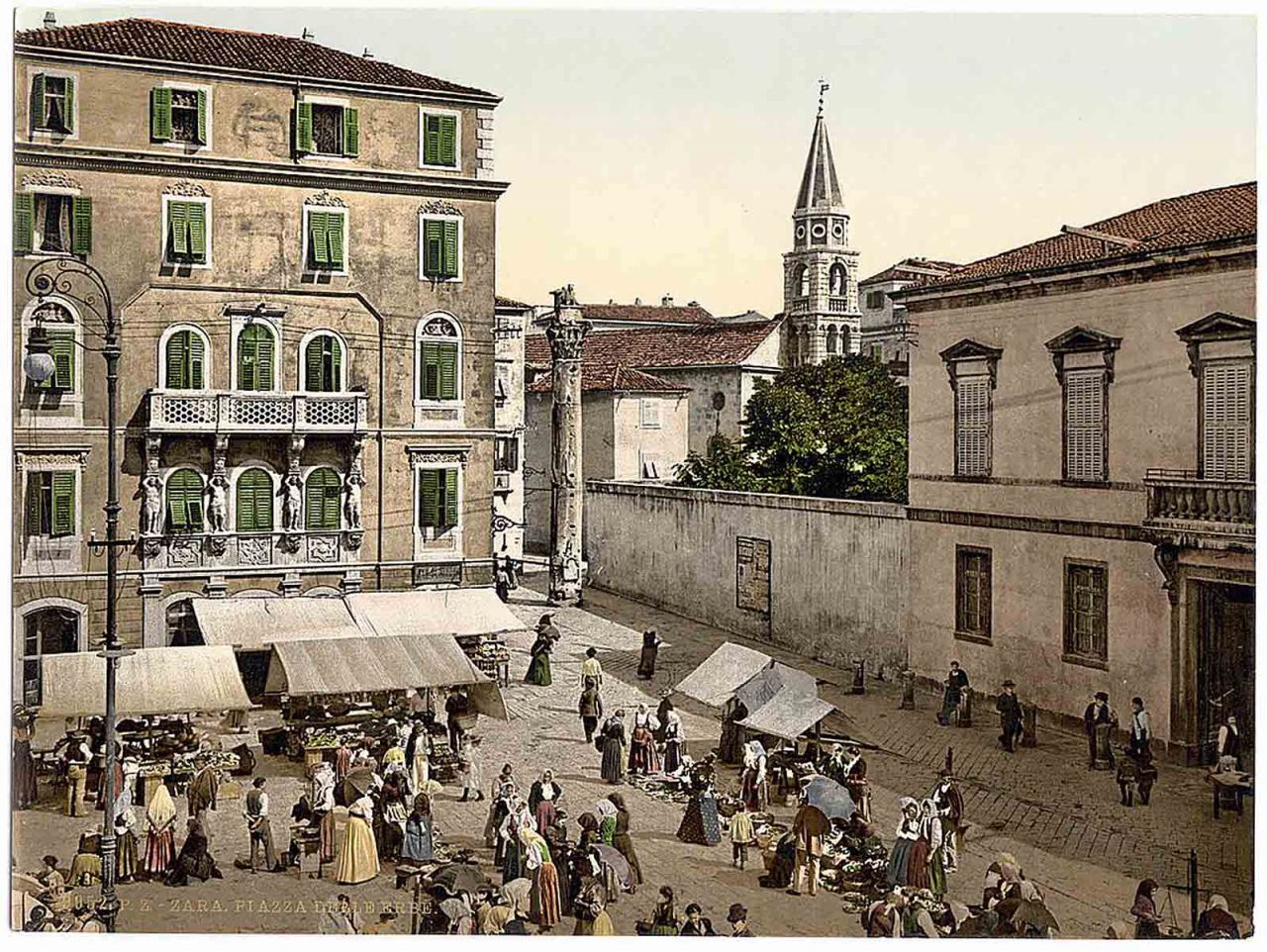
Behind the walls of Almayer Art & Heritage Hotel, Zadar’s past becomes part of everyday life: a night in a restored historic building, an encounter with contemporary art, a meal in a secluded garden. Set in the city’s old town, this four-star boutique hotel brings together architecture, literature and hospitality in a place shaped by centuries of change.
Its character comes from that connection. Almayer’s heritage is rooted in the buildings it occupies, while its design gives those spaces a continuing purpose.
A building with a life before hospitality
Almayer’s main building dates to 1863, when it was constructed as an annexe to a military hospital and barracks on the grounds of the former St. Nicholas monastery. Its location in Campo Castello, near the northwestern edge of Zadar’s peninsula, places it within a historic part of the city.
Long before it welcomed hotel guests, the property belonged to a changing urban landscape. Religious, military and residential uses left successive layers behind, connecting the building to the wider story of Zadar.
That history gives the word “heritage” a concrete meaning here. The stone, courtyard and surviving architecture carry traces of earlier lives, making the setting an essential part of the experience.
The vision behind the restoration
In 2013, Irina Bakija and Vjekoslav Bobić purchased the neglected property with the ambition of bringing it back into use. Turning it into a boutique hotel required extensive work, beginning with clearing deteriorated additions and investigating the complex’s historical layers.
The restoration combined research with practical reconstruction. Archaeological investigations helped reveal the site’s past, while structural improvements prepared the building for contemporary hospitality. Its historic facade was restored, and the interiors were reimagined around a new use.
Almayer opened on 21 June 2017, following the transformation of the nineteenth-century building and its much older courtyard. The project returned an overlooked property to the daily life of the old town, creating spaces for sleeping, dining and discovering art.
A name inspired by literature and the sea
Almayer takes its name from the inn in Alessandro Baricco’s novel Ocean Sea. That literary reference adds another dimension to a hotel whose identity is closely connected to the Mediterranean.
In the main building, room themes draw on Mediterranean winds and the novel’s “Seventh room”. These references link the interiors to ideas of travel, imagination and the sea.
For a guest, knowing the origin of the name changes how small details are read. A room becomes part of a wider creative concept, and the nearby Adriatic gives that concept a tangible geographical setting.
Sixteen rooms across two heritage buildings
Today, the hotel has 16 individually designed double rooms across two neighbouring restored buildings. Nine occupy the main property, while seven are in Bianchini House, across the park.
Built in 1914, Bianchini House brings its own history to Almayer. It once accommodated the editorial and printing activities of Narodni list, connecting this part of the hotel to Zadar’s publishing heritage.
Inside, bespoke furnishings, selected antiques and artwork give the accommodation its individual style. Contemporary design works within the historic setting, allowing differences between the buildings and rooms to contribute to their character.
Room choice therefore matters. The main building includes mezzanine layouts with separate living and sleeping areas, while the dépendance offers a different architectural setting. Almayer’s adults-only policy welcomes guests aged 14 and above.
Art as part of the stay
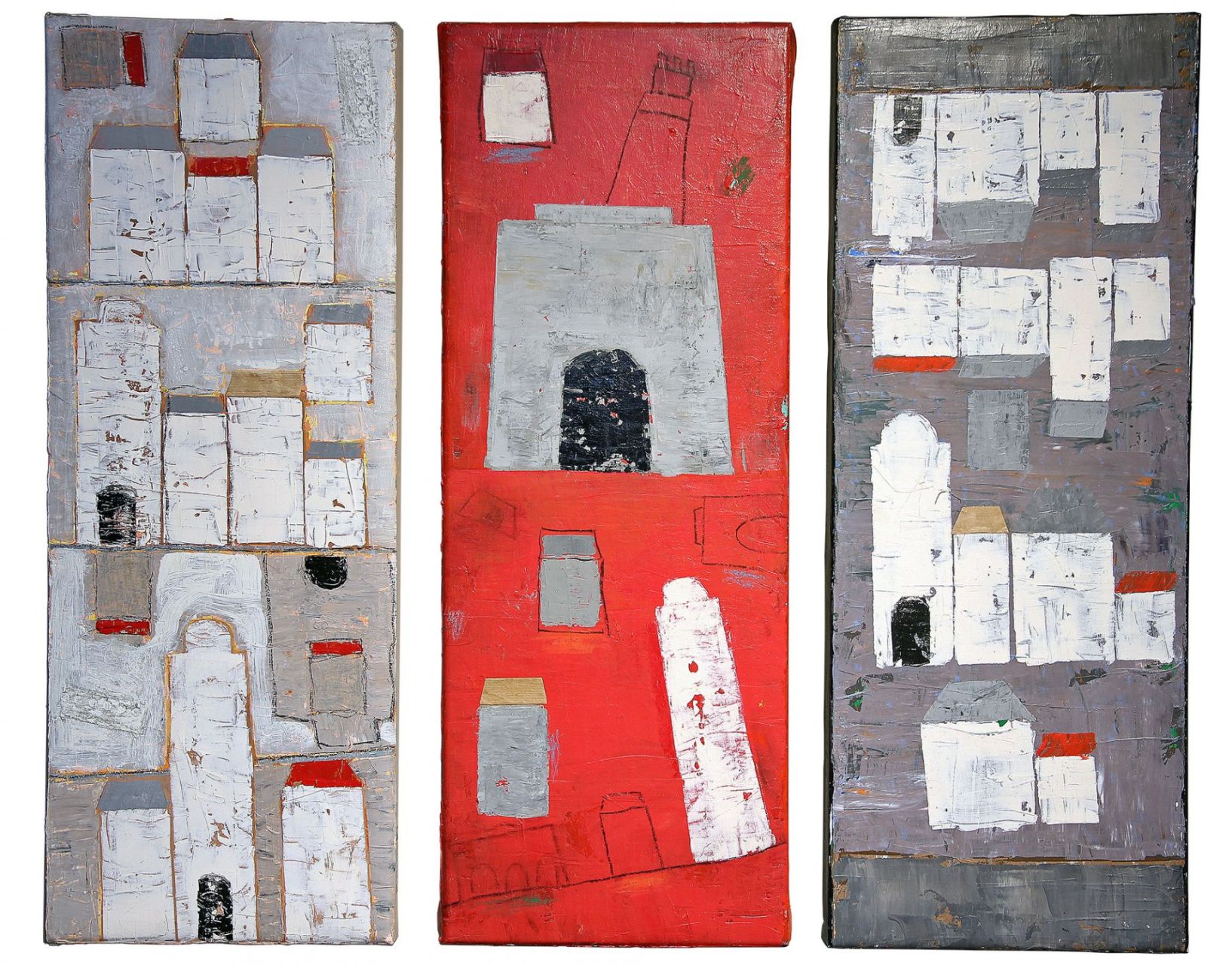
An in-house sales gallery makes art a continuing part of Almayer’s identity. Exhibitions feature Croatian and international artists, bringing contemporary creative work into contact with the hotel’s historic surroundings.
This gives guests an opportunity to engage with art during ordinary moments of their stay. Moving through the property can become an encounter with an unfamiliar artist, while the gallery offers the possibility of purchasing a work.
Art contributes to the hotel’s atmosphere and cultural purpose, extending the story beyond the restoration itself.
A hidden garden in Zadar’s old town
The enclosed garden gives Almayer another distinctive space. Sheltered by an old monastery wall, it creates an intimate setting for Corte Restaurant, where dining becomes part of the experience of the property.
Its greenery adds a softer texture to the surrounding stone and architecture. After a day exploring Zadar’s historic centre or walking beside the Adriatic, the courtyard offers somewhere to settle into a slower evening.
Here, the hotel’s different elements meet naturally: historic walls frame a contemporary restaurant, guests gather around tables, and a once-neglected courtyard takes its place again in the everyday life of the city.