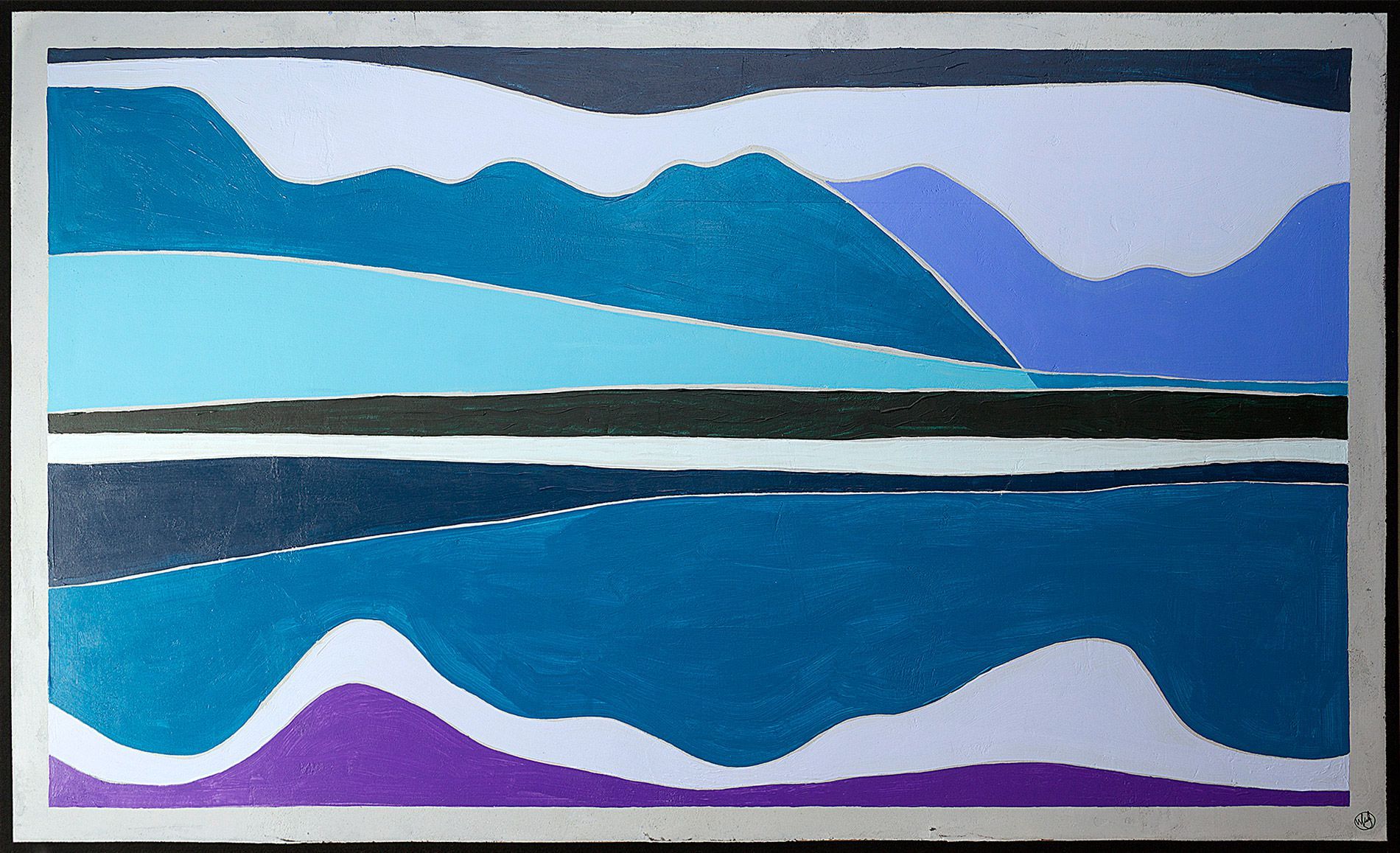
Original artwork gives a hotel something that furnishings alone cannot provide: an individual point of view. A painting, photograph or sculptural piece can interrupt a familiar routine, invite a closer look and change how a guest remembers a place. At Almayer Art & Heritage Hotel in Zadar, art belongs to the property’s identity, alongside its historic architecture and contemporary design.
Set in two neighbouring restored heritage buildings, the boutique hotel has 16 individually designed double rooms. Its intimate scale provides a fitting context for encounters with art: personal, unhurried and connected to the spaces guests inhabit during their stay.
Original art as part of the hotel’s character
There is a difference between an image chosen simply to fill a wall and an original work that expresses an artist’s perspective. Original art carries particular decisions about colour, composition, material and subject. These choices introduce another voice into an interior, giving visitors something to interpret rather than merely recognise.
At Almayer, the relationship between art, heritage and contemporary design shapes the hotel experience. The restored buildings provide a historical setting, while contemporary elements introduce a different visual language. Artwork adds a further layer, allowing old and new to coexist without requiring them to tell the same story.
For a guest, that relationship can make the property feel more distinctive. Instead of remembering only a comfortable room or a convenient location, they may recall a particular piece and the response it prompted.
A gallery within the experience of staying
Almayer’s in-house art sales gallery gives its artistic identity a tangible focus. Exhibitions feature Croatian and international artists, bringing different creative perspectives into the setting of a small heritage hotel.
A gallery within a hotel changes the circumstances in which people encounter artwork. Visitors do not necessarily arrive with a planned cultural itinerary or specialist knowledge. A stay can create an opportunity to engage with a work simply because it catches their attention.
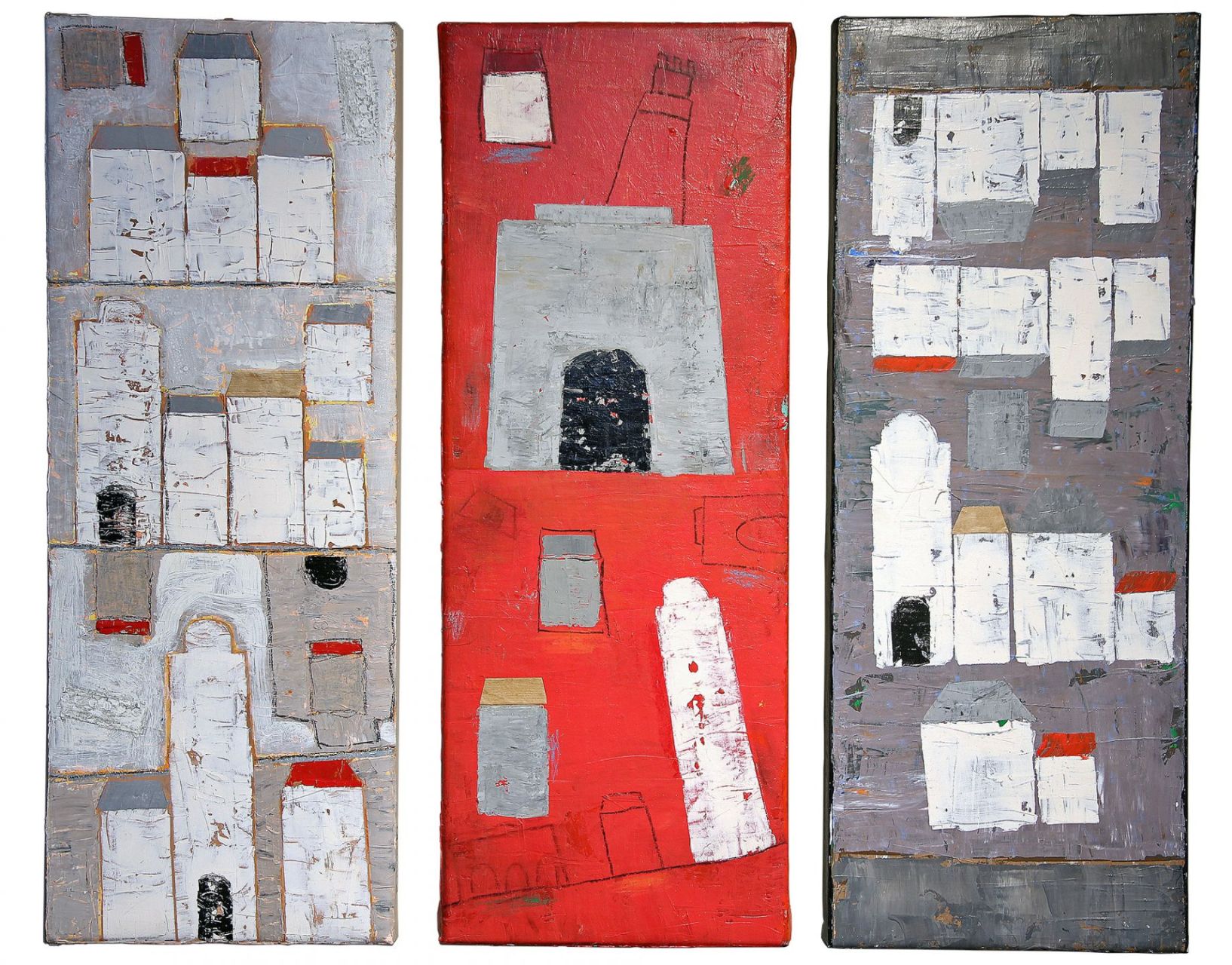
This accessibility matters. Art does not need to be understood immediately to be meaningful. A guest might first notice a strong contrast, an unfamiliar texture or an intriguing subject. Interest can develop from that initial response, without a prescribed interpretation.
The gallery’s sales format also introduces the possibility of a longer relationship with a piece. Where a work is available to purchase, an encounter during a stay may become part of someone’s life beyond the hotel.
How artwork changes the perception of space
Art in a hotel influences more than the appearance of an individual wall. It can affect how people perceive the surrounding space, drawing attention towards architectural details or creating a visual pause within an interior.
Scale, colour and placement all contribute to this effect. A large work may establish a focal point, while a smaller piece rewards a closer approach. These are not interchangeable experiences: each encourages a different kind of attention.
Within a heritage property, this relationship is especially engaging. Historic architecture and original artwork offer different ways of experiencing time. A building carries traces of its earlier uses, while an artist’s work presents a particular act of observation or imagination. Encountered together, they can make a space feel layered rather than fixed in one period.
A personal connection with Zadar
Almayer’s location in Zadar’s historic centre places guests close to the city’s principal sights. The hotel’s engagement with art adds another dimension to that setting, complementing the experience of exploring streets, buildings and public spaces.
Exhibitions involving Croatian artists offer opportunities to encounter individual creative voices alongside the city’s architectural heritage. International artists broaden that exchange, introducing perspectives that need not be tied to the immediate location.
This balance avoids reducing art to a decorative illustration of the destination. A work can belong meaningfully within a place while also challenging expectations or directing attention elsewhere.
The value of looking again
One advantage of encountering art during a hotel stay is the possibility of returning to it. Unlike a brief gallery visit, an overnight stay can leave room for a second look and a different response.
A guest may notice composition first and subject later. A conversation with a travelling companion might reveal a detail they missed. Neither response needs to be definitive.
At Almayer, original artwork gives this kind of attention a place within the rhythm of hospitality. Between time spent exploring Zadar, relaxing in an individually designed room and dining in Corte Restaurant’s hidden green garden, a work of art can become a quiet point of reference: something familiar enough to revisit, yet open enough to reveal another detail.