Zadar reveals itself best on foot, slowly and without a strict agenda. The city has famous landmarks, but the local rhythm lives in quieter details: coffee taken without hurry, a morning walk through the old town, a swim before lunch, and an evening spent by the sea while the light changes over the waterfront.
Start the day in the old town
The heart of Zadar is compact, walkable, and layered with history. Enter the old town early, before the busiest part of the day, when the stone streets still feel calm and the sound of daily life is just beginning. This is when the city feels most authentic.
Locals do not rush from one attraction to another. They notice how Roman remains sit beside medieval churches and everyday cafés. That mix is part of what gives the city its character. In a short distance, you can move through many centuries of urban life and still feel that Zadar is lived in, not staged.
A local-style morning often begins with coffee on a small square rather than a packed sightseeing schedule. Sitting outside and watching the town wake up is not wasted time here. It is one of the most natural things to do in Zadar if you want to understand the atmosphere rather than simply tick off landmarks.
Follow the city’s history through everyday streets
Zadar is one of those places where history is never limited to a museum wall. The Roman Forum remains one of the clearest examples. Standing near the forum, you can see how the city still carries the structure of earlier centuries. Ancient stone, church facades, and public spaces all exist within the same daily setting.
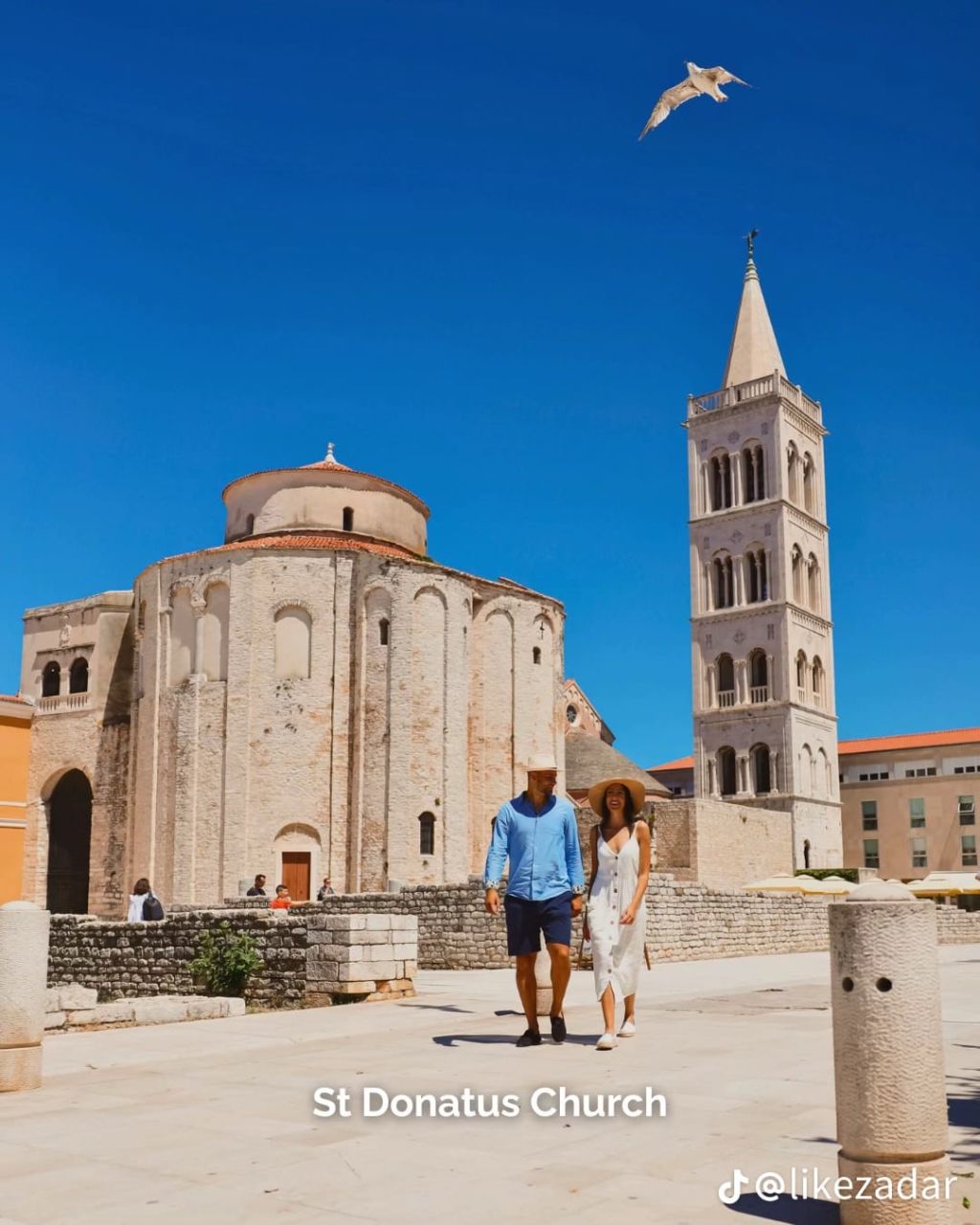
Nearby, the Church of St. Donatus is one of the defining sights of the city. Its circular form and early medieval origins make it a key part of Zadar’s visual identity. Close to it, the cathedral area adds another layer to the story of faith, architecture, and continuity in Croatia’s coastal towns.
To experience the place like a local, avoid treating these sites as isolated monuments. The Roman Forum, the church precincts, and the surrounding lanes are part of normal city life. People pass through them on the way to work, to the market, or to meet friends. That everyday connection between heritage and routine is what makes the old core of Zadar feel so distinctive.
Visit the market and eat with the seasons
A city is often best understood through its food. In Zadar, that means seeing what arrives fresh each day and paying attention to what locals actually choose. The market near the center is a good place to observe the regional rhythm, as described in Zadar Market: seasonal vegetables, olive oil, figs, herbs, local cheese, and seafood shaped by the Adriatic coast.
Rather than searching only for the most obvious tourist menus, look for dishes that reflect the region itself. Dalmatian cooking tends to be direct, ingredient-led, and deeply tied to the sea and nearby islands. Grilled fish, octopus, black risotto, marinated anchovies, and simple vegetable dishes often say more about the city than anything overly elaborate.
This is also where Zadar has a subtle advantage. It offers strong local gastronomy without losing the feeling of a real working town. You can enjoy refined dining, but you can also understand the region through small bites, market ingredients, and meals that respect local tradition.
Experience the sea beyond the postcard
No visit to Zadar feels complete without spending real time by the water. The waterfront is central to how the town breathes. The famous Sea Organ is one of the best-known landmarks, yet locals often experience it less as a spectacle and more as part of the background of the city. The sound changes with the movement of the waves, blending architecture, weather, and the sea into one continuous presence.
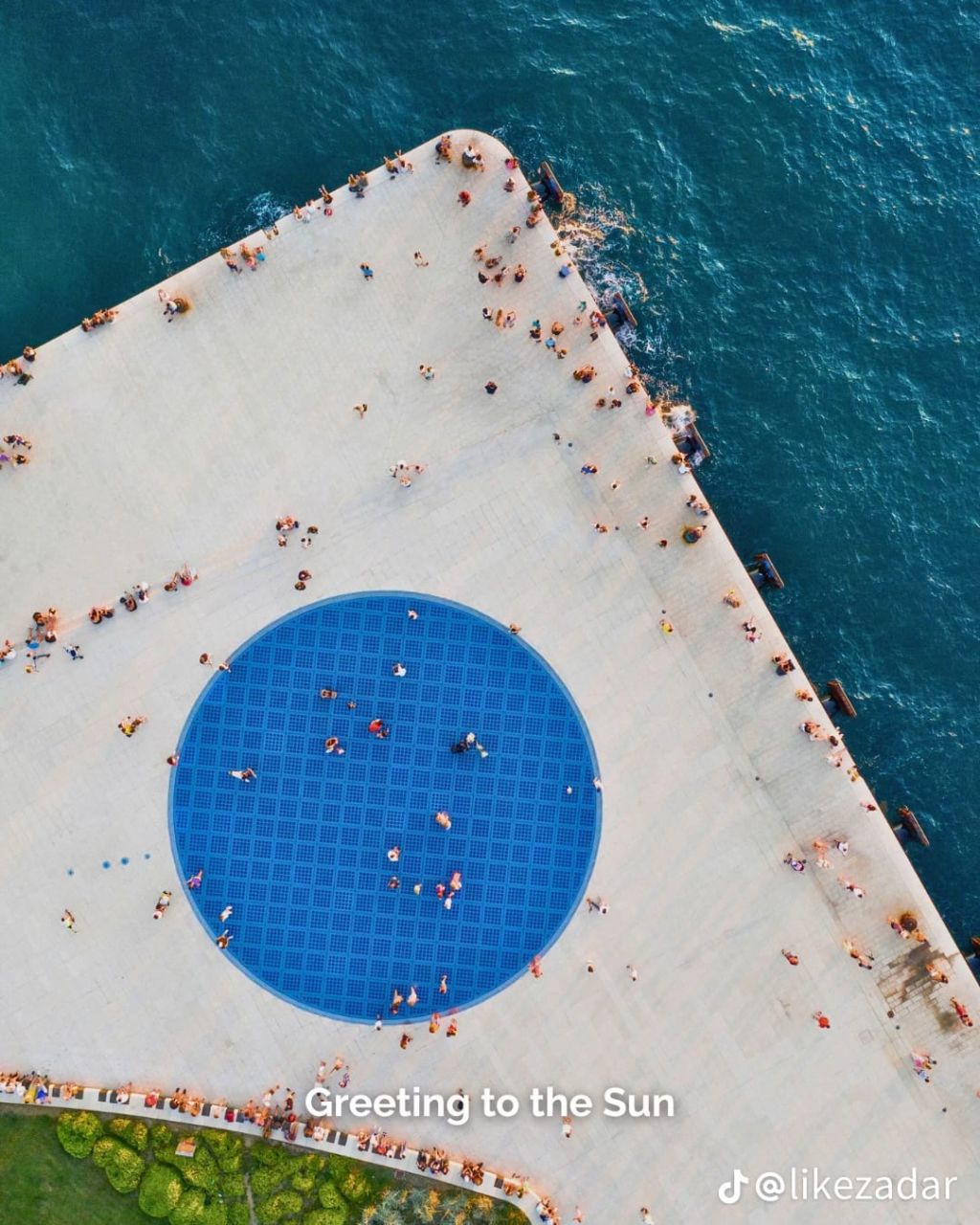
Nearby, the Greeting to the Sun adds another layer to the waterfront experience, especially later in the day when the light becomes softer. Sunset is important here, but the local approach is not necessarily about chasing the perfect photo. It is about staying long enough to feel the transition from afternoon heat to evening air.
The Sea Organ works best when you slow down. Sit on the steps, watch ferries and small boats move across the channel, and notice how residents use the promenade. Some come for a walk, some for conversation, some simply to look out over the water. That is often the difference between seeing Zadar and actually inhabiting it for a while.
Take a boat trip, but choose the local rhythm
Many visitors look for a thing to do outside the center, and the best answer is often the nearby coast and islands. Zadar is closely connected to the archipelago around it, so island hopping is not only a tourist activity but part of regional life. A short boat trip can change your perspective on the city completely.
If you have more than one day, consider visiting an island with a slower pace, quiet coves, and fewer fixed plans. Swimming in clear water, eating near a small harbor, and returning to town in the evening gives you a much fuller sense of the region. Zadar is not only about monuments; it is also about maritime culture and proximity to open space.
For travelers who want nature on a broader scale, a national park excursion can also fit naturally into the stay. The wider area offers dramatic landscapes, but the key is balance. Locals understand that the best experiences come from combining history, sea air, good food, and unhurried movement, including sea experiences.
Leave room for art, conversation, and unplanned moments
To experience Zadar like a local, not every hour should be filled. Spend some time in a museum, browse a gallery, or step into a courtyard that feels slightly hidden from the main routes. The city rewards attention to smaller cultural moments as much as major landmarks.
That is especially true in the historic center, where heritage buildings, creative spaces, and intimate restaurants often sit side by side. A thoughtfully chosen place to stay can shape that experience, particularly if it lets you move easily between the old town, the waterfront, and the city’s cultural life. In a setting where art, history, and contemporary comfort meet naturally, as reflected in Almayer Hotel, Zadar feels less like a destination to consume and more like a place to understand.