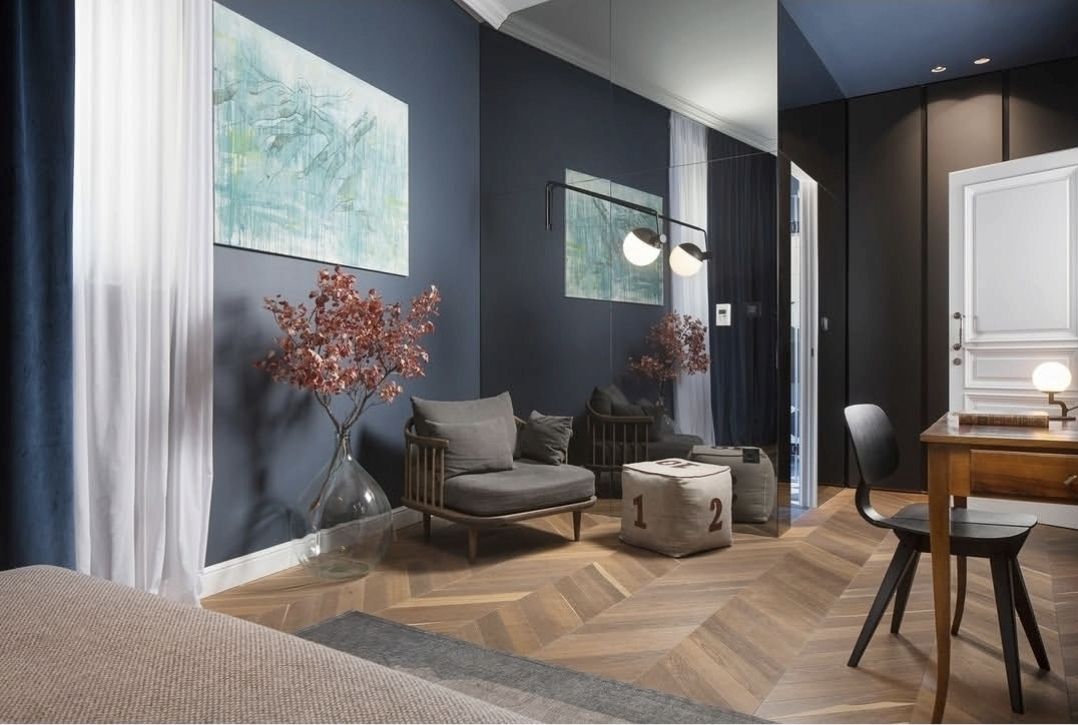
A lifestyle hotel is no longer defined only by a comfortable room and reliable service. It is shaped by mood, identity, and the way every detail influences how a guest feels in the space. Across the hospitality industry, this shift has turned hotel design into a core part of the overall guest experience, not a decorative afterthought.
Where traditional accommodation often focused on uniformity, lifestyle properties build recognition through character. Architecture, furniture, lighting, materials, scent, sound, and art all work together to create an environment that feels intentional. The result is a hotel experience that guests remember not because it was simply luxurious, but because it felt distinctive, personal, and emotionally engaging.
Why lifestyle hotels matter now
The rise of lifestyle hotels reflects a broader change in travel expectations. Modern guests increasingly look for places that connect them to a destination rather than isolate them from it. They want authenticity, visual identity, and a sense of atmosphere that extends beyond the room itself.
This trend has grown because travelers now view accommodation as part of the reason for the trip. A well-designed lobby, curated artwork, intimate restaurant, or beautifully restored heritage building can become just as memorable as the city outside. In that context, design becomes part of hospitality, and hospitality becomes part of the destination.
For hotel brands and independent boutique properties alike, this creates an opportunity. Instead of competing only on price or size, they can compete on emotion, story, and guest perception. A thoughtful environment influences whether people stay longer in shared areas, photograph interiors, recommend the property, and return for another visit.
The role of design in the guest experience
In lifestyle hotels, design is never just visual. It shapes movement, comfort, privacy, and atmosphere. A guest notices how natural light enters the room, how textures soften the space, how the furniture supports both rest and function, and how the layout creates ease rather than friction.
Strong hotel design balances beauty with usability. A room may include refined materials, but it also needs intuitive storage, quality bedding, and lighting that supports different moments of the day. The lobby may serve as a social anchor, yet it must still preserve calm and flow. These design choices define how hospitality is experienced in practice.
The most successful properties understand that comfort is an aesthetic value as much as a functional one. Guests respond to spaces that feel coherent. When materials, proportions, colors, and service style align, the hotel feels complete rather than staged.
Art as an essential hospitality element
Art has become one of the defining features of the lifestyle hotel trend. Instead of treating artwork as generic decoration, many hotels use it to build identity and deepen the connection between guest and place. Original works, local artists, rotating exhibitions, and gallery-inspired interiors all add cultural depth to the stay.
This matters because art changes the emotional tone of a hotel. It can make a room feel reflective, a corridor feel curated, or a lounge feel alive with personality. In a competitive hospitality market, that kind of distinction helps a property develop a recognizable brand without relying on excess.
Hotels that integrate art well often create a more layered guest experience. The space feels less standardized and more conversational. Guests are not only occupying a room; they are moving through a setting with meaning, references, and texture. For boutique destinations in historic urban centers, this can be especially powerful when contemporary design is placed in dialogue with local heritage.
Atmosphere is built through detail
Atmosphere is often described as intangible, but it is built from concrete choices. Lighting affects whether a space feels intimate or cold. Material selection determines whether interiors feel grounded, warm, and refined. Furniture influences posture, rhythm, and sociability. Even acoustics shape a guest’s perception of luxury.
In lifestyle hotels, these elements are carefully composed. Soft lighting in a lobby encourages guests to linger. Natural materials create warmth without visual heaviness. A hidden garden, quiet courtyard, or art-filled lounge can transform a hotel from a place to sleep into a place to inhabit.
This is where smaller boutique properties often stand out. With fewer rooms and a more focused concept, they can create a stronger sense of atmosphere than larger, more standardized hotels. The guest experience becomes more immersive because every space has been considered with intention.
Heritage, locality, and contemporary luxury
One of the most compelling directions in hotel design is the fusion of historic character with contemporary comfort. Restored heritage buildings offer scale, texture, and narrative that new construction often struggles to replicate. When paired with modern hospitality standards, they deliver a form of luxury rooted in place rather than spectacle.
This approach resonates strongly with guests who value authenticity. They do not want anonymous interiors that could belong to any city. They want a hotel that reflects its surroundings through architecture, craftsmanship, cuisine, and atmosphere. A lifestyle hotel can meet that expectation by interpreting local culture in a refined, modern way.
An adults-only boutique hotel in a historic city center, for example, can create a particularly strong identity when it combines intimate service, art, and carefully designed rooms with the story of the destination itself. Add a restaurant with a secluded garden setting, personalized concierge support, and spaces that privilege privacy, and the property becomes more than accommodation. It becomes a complete hospitality environment.
What guests remember most
Guests rarely remember only square footage or thread count. They remember how a hotel made them feel. They remember the calm of a beautifully lit room, the character of restored interiors, the atmosphere of a hidden courtyard, and the sense that every element belonged exactly where it was.
That is why lifestyle hotels continue to rise. They respond to a more sophisticated understanding of luxury, one based not just on amenities, but on identity, comfort, and emotional resonance. In a market shaped by experience, the hotels that combine art, design, and atmosphere most effectively are the ones that stay in the guest’s memory longest.