A boutique hotel changes the rhythm of travel from the moment a guest arrives. Instead of entering a large, anonymous property where every floor looks the same, the experience feels more personal, more intentional and more closely connected to the destination itself. The room, the service, the design, the restaurant and even the quiet corners of the building become part of the journey.
For travelers who value atmosphere as much as location, a boutique stay offers something a standard hotel often cannot: a strong sense of place. It is not only about where the bed is placed or what view the room offers, but about how every detail contributes to the memory of a city.
What makes a boutique hotel different
A boutique hotel is usually smaller in scale, with fewer rooms and a carefully shaped identity. This allows the staff to know the guest better, respond faster and create a service style that feels attentive without being intrusive. The atmosphere is often calm, refined and thoughtfully designed, making the stay feel more like an experience than simple accommodation.
Unlike a large resort, where facilities can sometimes overshadow the destination, a boutique property often works in harmony with its surroundings. Architecture, art, local materials and gastronomy help tell the story of the area. In a historic city, this can make a stay especially meaningful, because the hotel becomes a bridge between past and present.
In places such as Zadar, where Roman streets, medieval churches, sea views and contemporary urban life meet within a compact city centre, the right hotel can transform the way a guest discovers the destination.
Design that creates atmosphere
Design in a boutique hotel is rarely accidental. Each room may have its own character, with furniture, textures, colours and artworks selected to create a specific mood. The goal is not only visual appeal, but comfort, balance and a feeling of intimacy.
A well-designed room supports the way people actually travel. It gives them a peaceful place to rest after exploring the city, enough space to slow down, and details that make time spent indoors feel rewarding rather than purely practical. Lighting, bedding, materials and layout all influence how relaxed a guest feels.
In a heritage setting, design has an additional role. It must respect the history of the building while adding contemporary comfort. This combination can be especially powerful in a boutique hotel, where restored architectural features and modern interiors create a layered experience that feels both authentic and fresh.
A more personal kind of service
Service is one of the main reasons travelers choose boutique accommodation. With a smaller number of rooms, the staff can offer a more precise and human approach. Recommendations are not limited to standard tourist routes; they can include quieter streets, local restaurants, galleries, cultural events and the best time to visit certain landmarks.
Concierge service becomes particularly valuable in a historic city. Guests may want help planning a dinner, arranging transport, choosing a day trip or understanding what is within walking distance. Good staff make the stay smoother, but also more personal, because they help guests experience the destination in a way that fits their interests.
This kind of service is especially appealing to travelers who prefer quality over quantity. They may not need a pool, a large resort complex or constant entertainment. Instead, they value privacy, calm surroundings, thoughtful guidance and a place that feels carefully maintained.
The importance of location in the travel experience
A boutique hotel in the heart of a city gives guests a different relationship with the destination. When major sights, cultural landmarks, cafés and waterfront areas are close by, travel becomes more spontaneous. A guest can step outside after breakfast, return to the room for a short rest, then go out again for dinner without needing complicated transfers.
This is one of the strongest advantages of staying in the historic centre of Zadar. The city is compact, walkable and rich in atmosphere, making location a central part of the experience. Staying near the main attractions allows guests to enjoy the area in different moods: early morning before the streets become lively, golden hour by the sea, or late evening when the city feels softer and more intimate.
A hotel in such a place does more than provide accommodation. It becomes a comfortable base for slow, meaningful travel.
Gastronomy as part of the stay
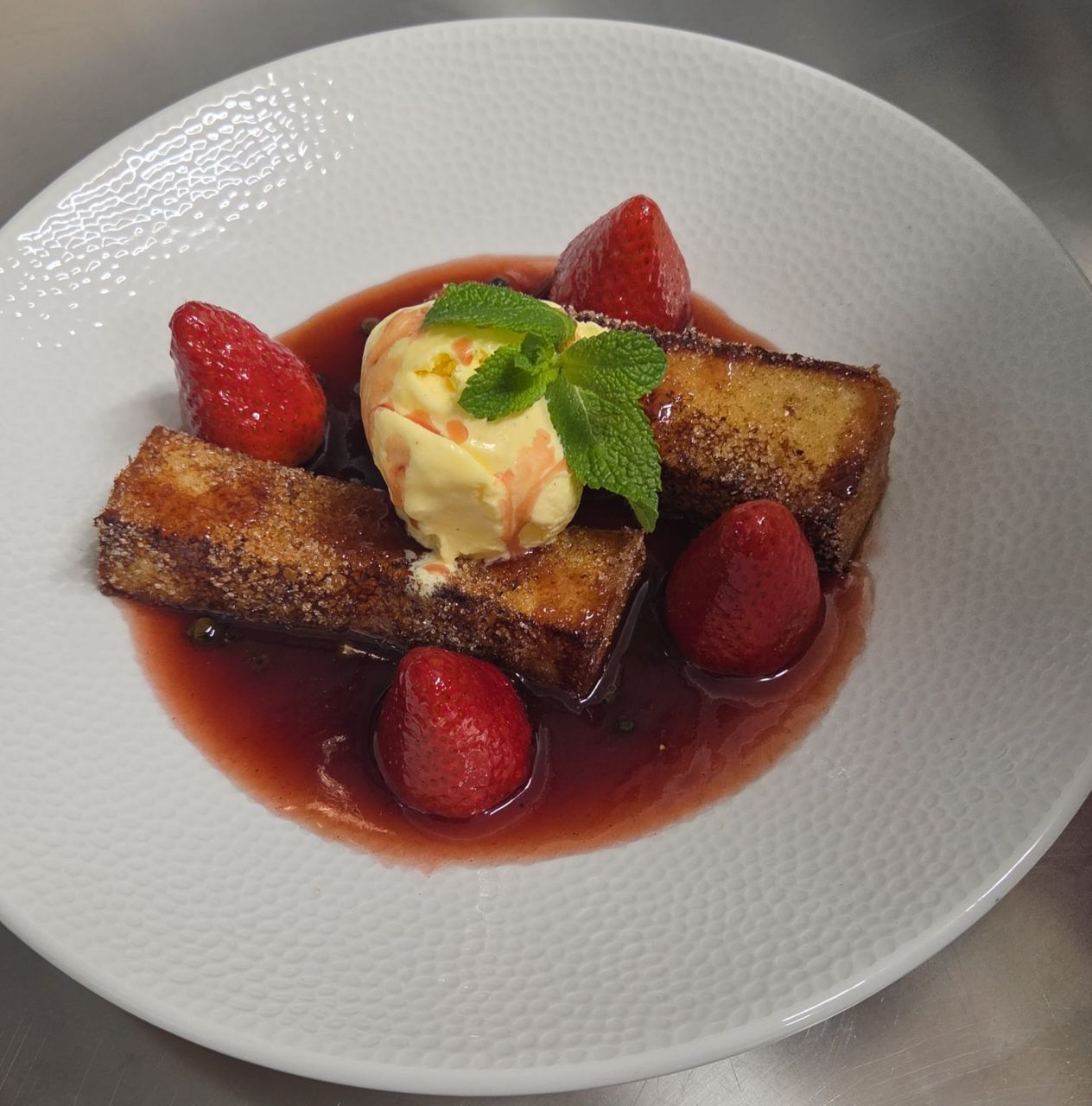
A memorable restaurant can elevate a hotel experience significantly. In a boutique setting, dining is often more intimate and connected to the identity of the property. The menu, service, garden, lighting and pace of the meal all contribute to how the guest remembers the stay.
When a hotel restaurant is placed in a quiet green courtyard or hidden garden, it creates a contrast with the movement of the city. This kind of setting gives travelers a private-feeling space where they can enjoy local flavours, conversation and calm. For many guests, dinner becomes one of the defining moments of the trip.
Corte Restaurant at Almayer Art & Heritage Hotel reflects this idea through refined gastronomy and an intimate atmosphere in a secluded garden. It supports the broader boutique experience: elegant, personal and rooted in its surroundings.

Art, heritage and a stronger sense of place
A boutique hotel can also act as a small cultural space. Artworks, exhibitions and curated interiors give guests a deeper connection to the creative life of the destination. Instead of treating decoration as a background element, the hotel uses art to shape emotion, identity and memory.
This is particularly meaningful when the property includes works by local and international authors. Guests encounter the city not only through monuments and museums, but also through contemporary artistic expression. The result is a stay that feels richer and more connected to the world beyond the room.
Heritage buildings add another dimension. Restored spaces carry traces of time, while modern comfort makes them suitable for today’s traveler. When handled with care, this balance creates a luxury experience that does not depend on excess, but on authenticity, privacy and detail.
Why boutique stays appeal to modern travelers
Many travelers now look for hotels that feel individual rather than standardized. They want comfort, but also character. They want good service, but not formality that feels distant. They want a beautiful place to sleep, but also a property that helps them understand the destination.
A boutique hotel answers these needs through scale, design and attention. It gives each guest more room to feel seen, while offering an environment that is calm, curated and distinctive. For couples, solo travelers and adults seeking a refined city stay, an adults-only boutique property can provide exactly the right balance between privacy and connection.
In this way, staying in a boutique hotel becomes more than choosing a bed for the night. It becomes part of how the city is experienced, remembered and emotionally understood.