A growing number of travelers no longer want a stay that feels interchangeable from one city to the next. They want a boutique hotel that reflects its surroundings, offers thoughtful comfort, and turns accommodation into part of the trip itself. Smaller design hotels answer that need by combining atmosphere, personal attention, and a strong sense of place in ways that a large chain hotel often cannot replicate.
A more personal kind of hospitality
One of the clearest reasons guests prefer a boutique property is the quality of the interaction. In a smaller hotel, the staff usually knows the property in detail and has more time to focus on the individual guest rather than simply managing volume. That changes the entire tone of the experience.
Personalized service is not only about friendliness. It is about remembering preferences, recommending the right restaurant for a specific mood, arranging private transfers without friction, or suggesting a quiet route through a historic district. These details make a short city break or a longer stay feel smoother and more meaningful.
In contrast, a chain hotel often relies on standardization. That consistency can be useful, but it can also create distance. Many travelers now value recognition over routine. They want a hotel to feel attentive rather than procedural.
Design that feels intentional, not generic
Smaller design hotels often stand out because every room, shared area, and material choice serves a clear purpose. Instead of repeating the same template across dozens or hundreds of properties, they build a visual identity around architecture, atmosphere, and the local story of the building.
That emphasis on unique design matters. Travelers are increasingly sensitive to spaces that feel curated rather than assembled from a corporate checklist. Lighting, textures, furniture, art, and layout all influence how restful or memorable a place becomes. A well-designed hotel does more than look attractive in photos. It shapes mood, privacy, and comfort from the moment a guest arrives.
Many boutique hotel concepts succeed precisely because they understand that design is not decoration alone. It is part of the overall hotel offer, from acoustic comfort and intuitive room flow to the feeling of stepping into a place with character.
A stronger connection to local culture
For many guests, the ideal trip includes more than sightseeing. They want to feel connected to the destination. This is where many boutique hotel properties gain an advantage over the large chain model. They are often rooted in historic buildings, neighborhood stories, regional food traditions, and local art.
That connection to local culture gives the stay more depth. Instead of waking up in a room that could be in any city, travelers wake up in a space shaped by the identity of the place they came to explore. Architecture, materials, cuisine, and artwork can all create a stronger emotional link to the destination.
A smaller boutique hotel offer often includes experiences that feel naturally tied to the city around it rather than imported from a global template. This approach appeals to travelers who value authenticity and want their accommodation to support, not dilute, the atmosphere of the location.
Quiet luxury instead of obvious excess
Modern travelers do not always define luxury through scale. Bigger lobbies, longer amenity lists, and high traffic do not automatically create a better stay. Many now associate luxury with calm, privacy, and detail.
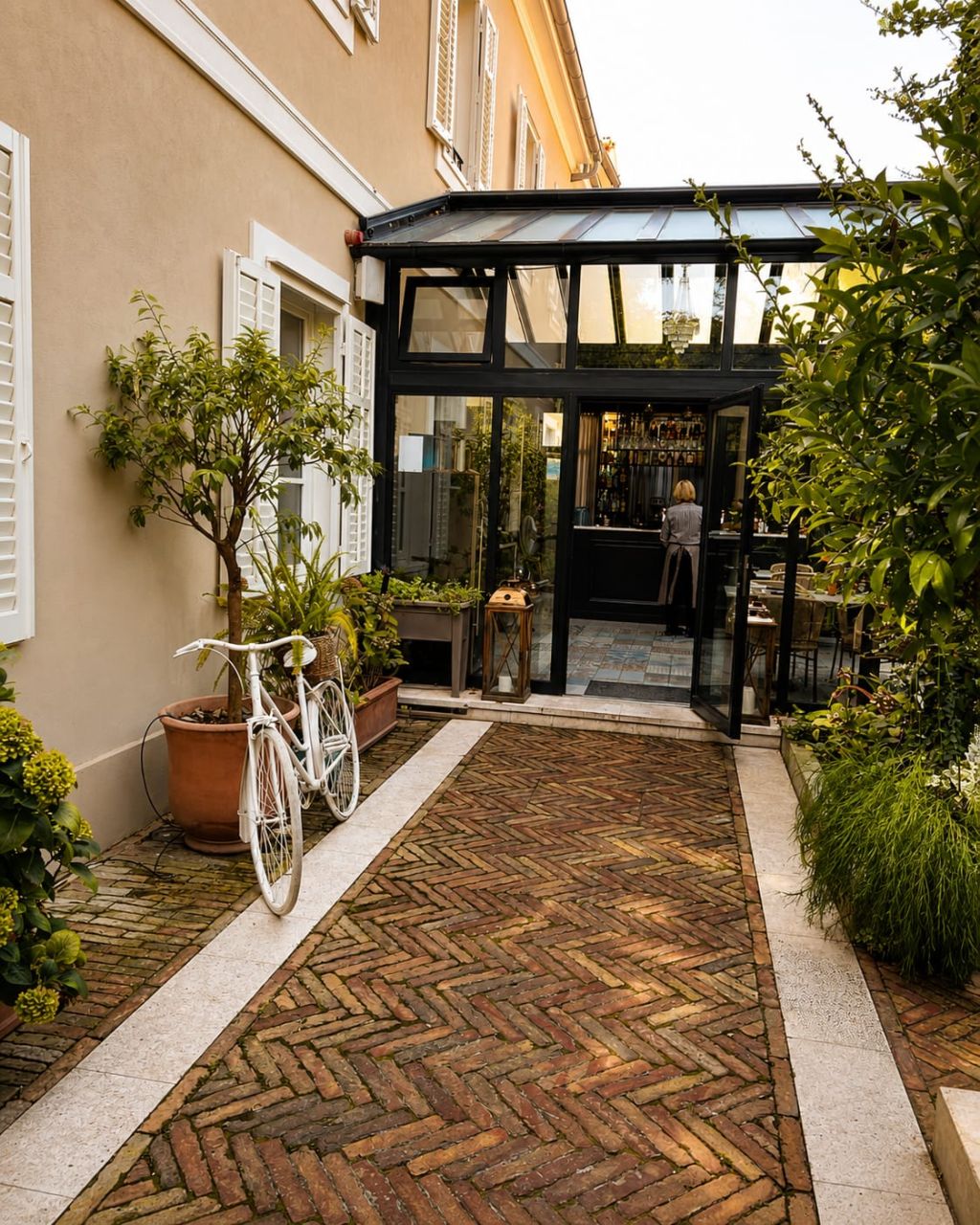
A smaller design hotel can deliver exactly that. Fewer rooms usually mean less noise, less crowding, and a more relaxed rhythm throughout the property. The best amenity mix is not necessarily the longest one, but the one that genuinely improves comfort. A peaceful courtyard, excellent bedding, quality dining, and discreet concierge support may matter more than oversized public spaces that few guests truly use.
This shift explains why some travelers choose a boutique hotel over a chain hotel even when both sit in a similar price range. The value comes from atmosphere and attention, not simply from quantity.
Better use of location
Another reason travelers favor smaller properties is location. Boutique hotels are often found in historic centers, architecturally interesting districts, or culturally rich neighborhoods where large developments are less common. That gives guests immediate access to the places they actually came to see.
A strong location changes the daily experience of travel. It means walking to landmarks, discovering cafés on nearby streets, and returning easily to the hotel during the day. It also creates a stronger sense of immersion. Rather than commuting in and out of the destination, the guest becomes part of its rhythm.
For city travelers in particular, a centrally placed hotel with character can make the entire trip feel more effortless and rewarding, especially when it also encourages them to explore Zadar.
Food, art, and atmosphere under one roof
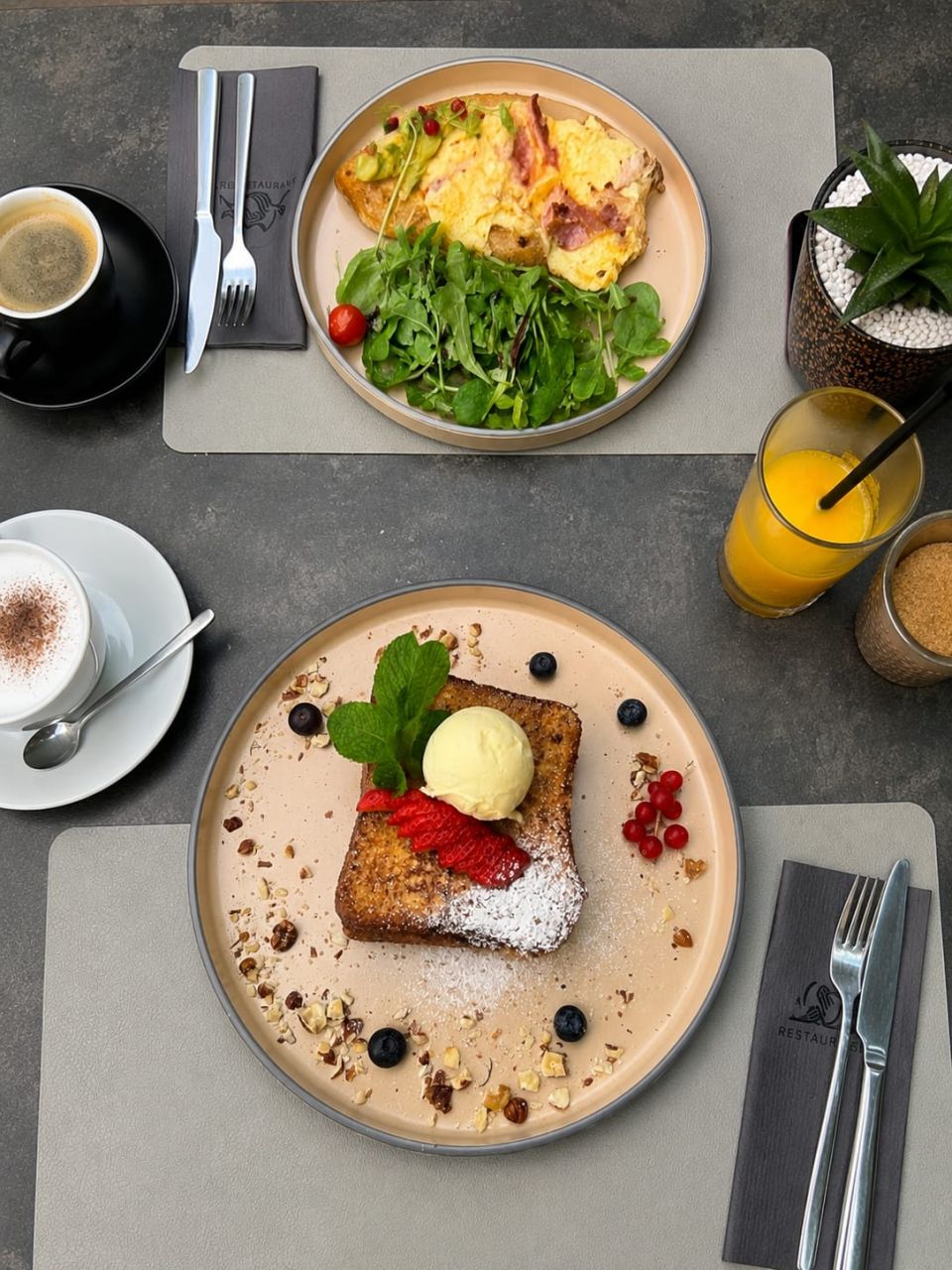
Smaller design hotels often create a richer emotional impression because they combine several elements into one coherent identity. A carefully conceived restaurant, a hidden garden, a heritage setting, or an in-house art concept can turn a hotel from simple accommodation into a memorable part of the journey.
This is where the overall hotel offer becomes especially important. Travelers increasingly look beyond the basic room category and ask what kind of environment the property creates. Does it inspire calm? Does it feel intimate? Does the dining reflect the destination? Does the design tell a story?
When those elements work together, the result is a more complete experience. The guest is not just booking a bed for the night. They are choosing a place that adds texture and meaning to their stay, whether through thoughtful interiors, local character, or a distinctive Corte Restaurant.
Why this shift is likely to continue
As travel becomes more experience-driven, the appeal of smaller design hotels will keep growing. Guests want places that feel human, distinctive, and connected to their surroundings. They value personalized service, thoughtful design, and a sense that the hotel has been shaped with care rather than scaled for uniformity.
A large chain hotel will always suit some travel needs, especially when predictability is the priority. But for travelers who want character, intimacy, and a stronger relationship with the destination, the smaller boutique model offers something harder to copy: a stay that feels specific, memorable, and genuinely welcoming.