Zadar is one of the most rewarding places in Croatia for travelers who want more than a beautiful coastline. Its food culture is shaped by the Adriatic Sea, the fertile Ravni Kotari hinterland, island traditions, olive groves, vineyards, salt pans, and centuries of Mediterranean cooking. For guests staying in Zadar's Old Town, this means a food and wine experience can begin with a morning walk through the market and end with a tasting at a winery, an olive oil estate, or an intimate restaurant garden.
The region’s cuisine is built around a simple but powerful trio: fish, wine, and olive oil. Local tourism sources describe these as central to the Zadar area’s Mediterranean diet, while also highlighting seafood, Pag cheese, marasca sour cherry, figs, and salt from Nin and Pag as distinctive regional ingredients.
Why Zadar is ideal for food and wine travel
A good food tour in Zadar does not have to feel staged. The city’s Old Town is compact, historic, and easy to explore on foot, making it natural to combine culture, architecture, and tasting stops in one relaxed day. Roman remains, medieval churches, Venetian streets, and the waterfront create a strong sense of place before the first glass of wine is poured.
The best way to understand Zadar food is to follow the ingredients. Fresh fish and seafood come from the surrounding Adriatic waters and nearby islands. Olive oil reflects the long agricultural tradition of Dalmatia. Cheese often points toward Pag, where sheep’s milk, rocky pastures, sea salt, and aromatic herbs create one of Croatia’s most recognizable delicacies. Wine connects the coast with Ravni Kotari, the fertile countryside behind the city.
Wine tasting near Zadar
The Zadar wine route is especially appealing because it combines local identity with easy access from the city. The region’s vineyards and orchards have been cultivated for more than 3,000 years, and red varieties such as Zinfandel, Merlot, and Cabernet are strongly associated with the area.
A winery visit near Zadar often includes more than wine tasting. Many estates offer stories about family production, the local climate, traditional agriculture, and food pairing. In Ravni Kotari, tastings may include reds, whites such as Maraština or Pošip, dessert wines, homemade snacks, figs, olive oil, and cured meats. This makes the experience both sensory and educational, especially when guided by people who work directly with the land.
For travelers without a car, Zadar also offers city-based wine experiences. Some tasting rooms present wines grown in the surrounding countryside, allowing visitors to enjoy a regional tasting without leaving the Old Town or nearby neighborhoods. This is a convenient option for a slower evening after a day of sightseeing.
Olive oil tasting and the taste of Dalmatia
Olive oil is not just a condiment in Dalmatia; it is part of daily life. Around Zadar, olive groves stretch from the hinterland to coastal villages and islands, and many small producers welcome visitors for tastings. A proper olive oil tasting teaches guests how to recognize fruitiness, bitterness, pepperiness, freshness, and balance.
Several local experiences pair olive oil with bread, cheese, cured meat, wine, and seasonal produce. The Zadar Region Tourist Board’s “Welcome, taste & buy” materials describe family estates near Zadar where visitors can taste award-winning extra virgin olive oils alongside local specialties such as prosciutto, pancetta, fresh cheese, red wine, Pag cheese, and traditional dishes.
For many travelers, this becomes one of the most memorable parts of the trip. Wine tasting often feels familiar, but olive oil tasting reveals a deeper layer of Croatian food culture. It also changes the way guests understand simple dishes: grilled fish, tomato salad, fresh bread, sheep cheese, and vegetables become more expressive when the oil is exceptional.
Seafood, fish, and traditional Dalmatian dishes
Seafood is central to good food in Zadar. The most satisfying dishes are often the simplest: grilled fish with olive oil, octopus salad, mussels, black risotto, scampi, or a daily catch served with Swiss chard and potatoes. Local guides also point to Novigrad mussels and tuna from the waters around the Zadar region’s islands as notable specialties.
One dish worth seeking out is peka, a traditional method rather than a single recipe. Meat, octopus, or vegetables are slow-cooked under a bell-shaped lid covered with embers, creating deep flavor and tenderness. Because peka takes time and is usually prepared to order, it is best arranged in advance, especially in rural taverns and family-run restaurants.
In Zadar Old Town, seafood dining can be elegant or relaxed. The key is to look for seasonal menus, local fish, thoughtful wine pairing, and staff who can explain provenance. A restaurant that treats olive oil, bread, vegetables, and wine with the same care as the main course usually understands Dalmatian cooking properly.
A food tour through Zadar Old Town
A well-planned food tour in Zadar Old Town can cover history, culture, and tasting without rushing. It might begin at the market, where seasonal fruit, vegetables, herbs, cheese, and fish reveal what local kitchens are using that day. From there, the route can continue through stone streets toward small wine bars, delicatessens, pastry shops, and restaurants.
The best food tour is not only about eating. A knowledgeable guide can explain why marasca sour cherry became important to Zadar, how Venetian and Mediterranean influences shaped local cuisine, why Pag cheese tastes so distinctive, and which wines pair well with grilled fish or seafood pasta. Zadar’s marasca cherry tradition is particularly notable, with regional tourism materials linking the fruit to Maraschino liqueur and local brandies from as early as the 16th century.
Pairing food, wine, and atmosphere
Food and wine experiences near Zadar work best when they match the rhythm of the day. Morning is ideal for markets, bakeries, coffee, and fresh produce. Afternoon suits olive oil tasting, island excursions, or a guided tour in the countryside. Evening belongs to wine, seafood, and unhurried conversation.
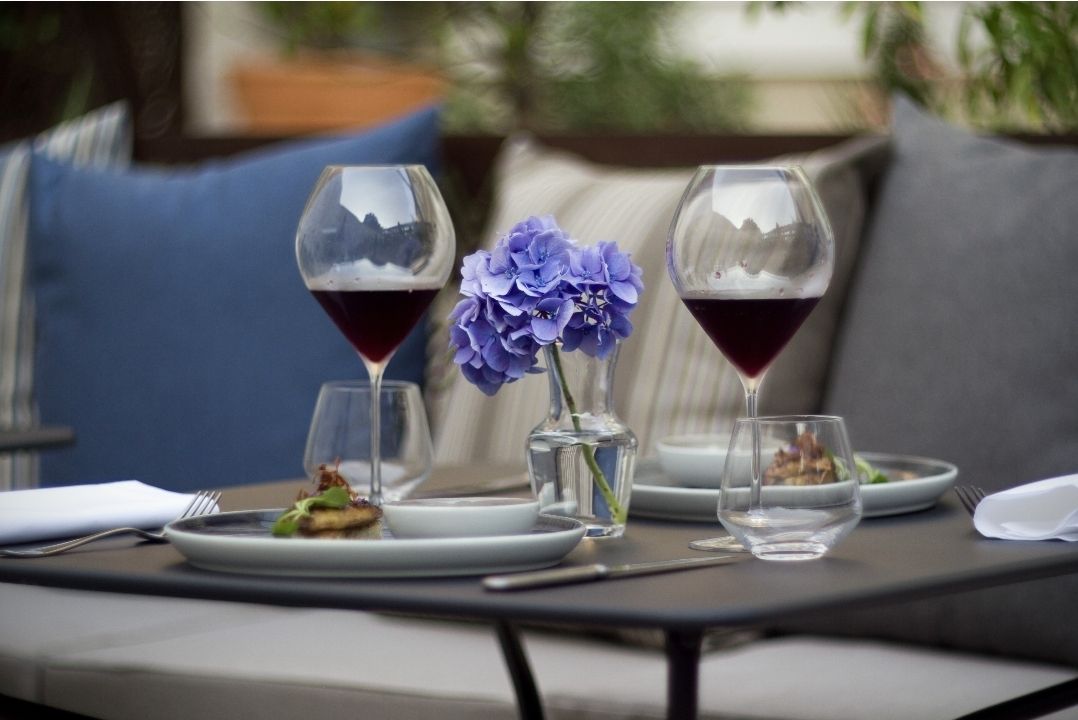
For guests who prefer a refined base in the heart of the city, a boutique stay in Zadar Old Town makes these experiences easier to enjoy. After a day of tasting wine in Ravni Kotari, sampling olive oil near coastal villages, or exploring the food culture of Pag and Nin, returning to a quiet heritage setting keeps the journey intimate. At Almayer Art & Heritage Hotel, the presence of Corte Restaurant adds another layer to the experience: local gastronomy, contemporary comfort, and the calm atmosphere of a hidden garden within the historic center.