Direct booking matters most when it gives travelers something tangible: a better rate, clearer communication, fewer surprises, and a more personal guest experience from the moment the reservation is made. For many guests, the difference is not just about price. It is about confidence, flexibility, and knowing exactly who is handling the stay.
Why direct booking feels more reliable
When travelers reserve a room through a hotel website, email, or phone, they deal directly with the property. That simple shift often improves accuracy and saves time. Room preferences, arrival details, special requests, and payment questions can be confirmed with the team that will actually welcome the guest.
By contrast, an online travel agency or other platform can add another layer between the traveler and the hotel. That does not always create problems, but it can make changes slower and communication less precise. If a guest wants an early check-in request noted, needs help with airport arrival timing, or wants advice on the best room category, direct contact usually leads to a smoother experience.
For a boutique stay, this matters even more. A smaller hotel is often defined by service, atmosphere, and local character, so booking directly gives the guest faster access to the people who know the property best.
The perks travelers notice immediately
The most valued benefit of direct booking is often the simplest one: the best available rate. Many hotels use their own booking engine to offer competitive pricing because they do not need to pay the same commission charged by OTAs. That lower distribution cost can support better value for the traveler.
Still, travelers usually care about more than price alone. The perks that genuinely influence a booking decision include:
- Rate clarity, with fewer hidden charges or unclear conditions
- Flexible terms for changes, upgrades, or direct assistance
- Better service before arrival, especially for questions and requests
- Priority access to room types, packages, or seasonal offers
- A more personal guest experience, shaped around the stay rather than a generic transaction
These advantages become especially relevant when booking a boutique hotel in a historic destination. A traveler choosing a central stay in Zadar, for example, is not only comparing room prices. They are also evaluating atmosphere, location, dining, and the quality of the overall experience.
Better communication improves the guest experience
One of the most underrated direct booking perks is communication. A reservation made through the hotel’s website or by email allows the team to provide accurate information about check-in, parking, arrival logistics, nearby attractions, and dining. That creates a better guest experience before the stay even begins.
This is where boutique properties stand out. A hotel with concierge support, a restaurant on site, and a distinct identity can tailor its service in ways a large, standard listing on an online travel platform cannot fully communicate. Guests often value practical, human assistance more than generic promotional language.
For an adults-only heritage hotel in the heart of the old town, direct contact can also help guests understand whether the stay matches their travel style. That level of clarity reduces friction and helps set the right expectations from the start.
Direct booking often means better value, not just lower rates
The word rate gets most of the attention, but true booking value is broader. A direct reservation may include perks that are difficult to compare on a third-party platform: preferred room allocation, more responsive support, easier modifications, or access to exclusive offers that align with the character of the property.
Hotels also protect more revenue from direct reservations because they avoid high commission costs. For travelers, that can translate into stronger offers without compromising quality. For the hotel, it supports better staffing, service standards, and investment in the guest stay. In practical terms, this creates a healthier balance: the guest receives more value, and the hotel retains more control over the reservation.
That is why direct channels are not only a marketing strategy for hotels. They are also a smarter booking option for travelers who want transparency and a more refined stay.
Why boutique hotels benefit most from direct reservations
Boutique and heritage properties rarely compete on volume. They compete on detail, atmosphere, and authenticity. A direct reservation helps communicate those strengths far better than a standard booking listing ever could.
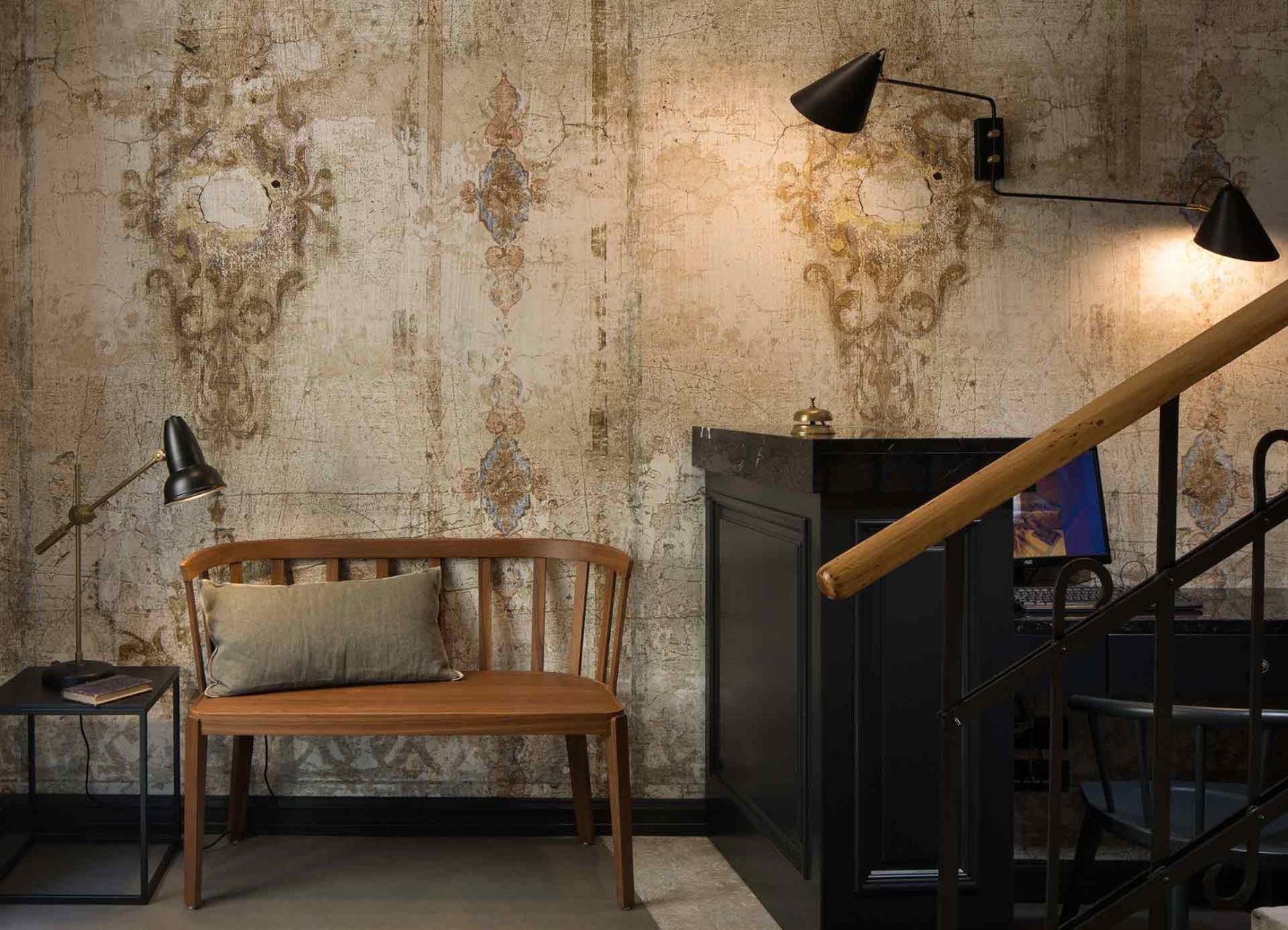
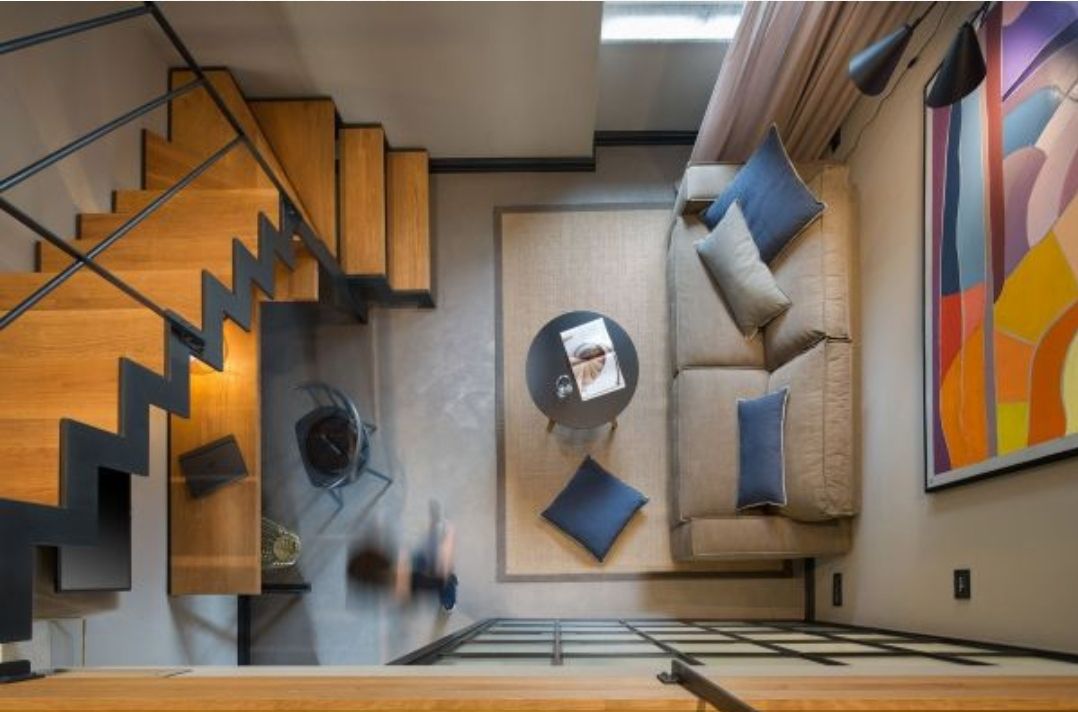
At a place like Almayer Art & Heritage Hotel, the appeal is tied to more than the room itself. Guests are choosing a stay in the historic center of Zadar, an intimate adults-only setting, individually designed rooms, personal concierge support, and the distinct character of Corte Restaurant and the hotel’s art-focused identity. Those elements shape the experience, and they are best presented through direct communication rather than through the limited format of many online travel agency listings.
For travelers, that means fewer assumptions and more certainty. For the hotel, it creates stronger relationships and more sustainable revenue than relying heavily on OTAs.
What travelers should look for before confirming a booking
A smart traveler compares more than the headline price. Before making a reservation, it helps to check whether the hotel’s direct channel offers clear advantages in service, flexibility, and overall value.
Important signs include a secure booking engine, clearly stated policies, accessible contact options, and direct confirmation from the property. These details show that the hotel takes the reservation process seriously and is prepared to support the guest from booking to departure.
In a crowded online travel market, travelers increasingly value confidence over complexity. A direct reservation does not just remove an unnecessary middle step. It often creates a more accurate, personal, and rewarding hotel stay, especially when the property is designed to offer character, privacy, and memorable hospitality rather than a one-size-fits-all transaction.