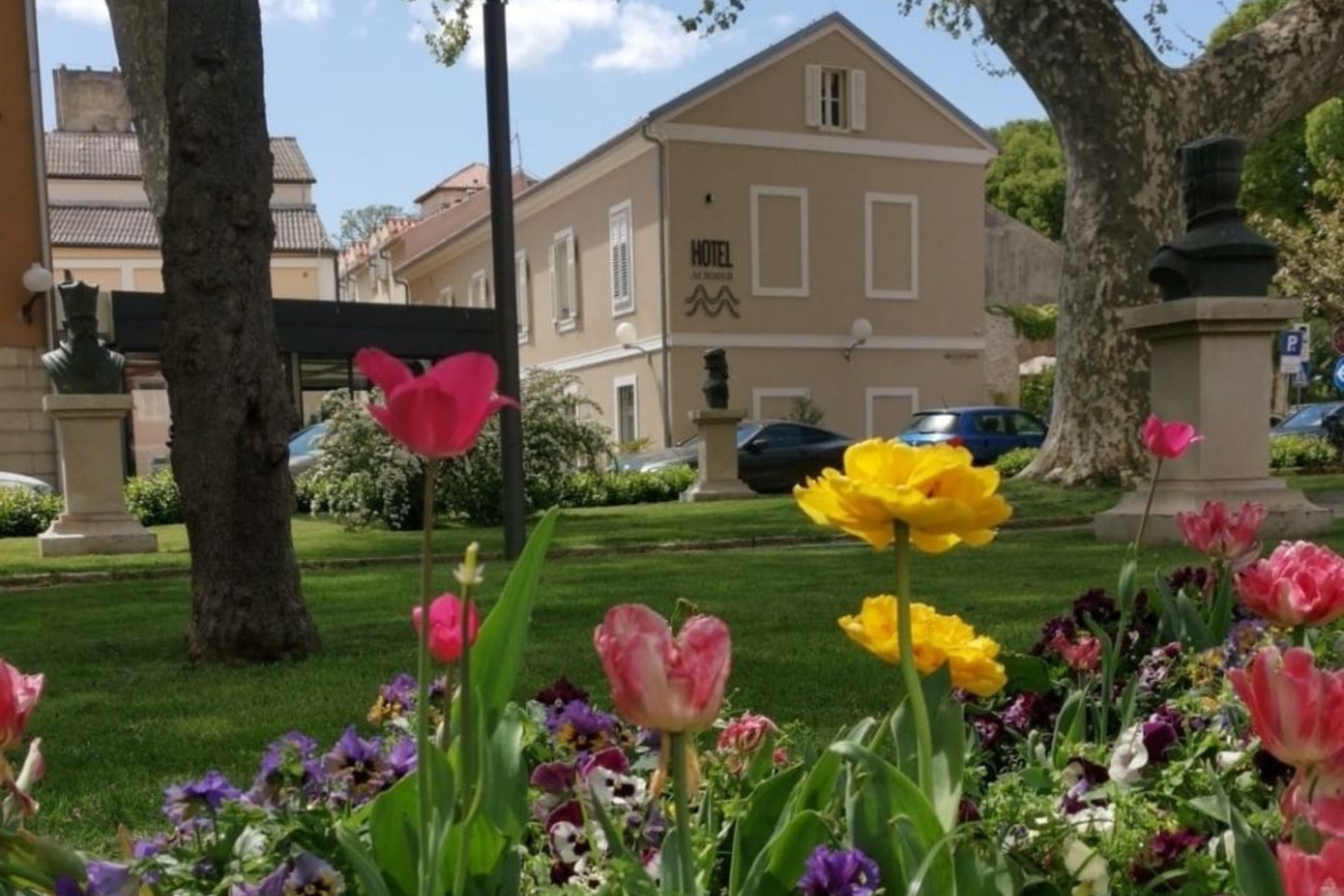
Dalmatian culture reveals itself most clearly in the rhythm of everyday life: morning markets filled with seasonal produce, stone lanes polished by centuries of footsteps, quiet church squares, fishing boats returning to shore, and long meals shaped by the Adriatic Sea and the land behind it. Along the Dalmatian coast, culture is not limited to monuments or museums. It lives in habits, flavors, conversations, craftsmanship, and the relationship between each town, island, and stretch of coast.
The character of Dalmatia
Dalmatia is one of the most distinctive regions of Croatia, extending along the eastern Adriatic and shaped by maritime trade, Roman heritage, Venetian influence, and local traditions that have endured across generations. Its identity is tied to the sea, but also to olive groves, inland stone villages, sacred music, and a strong sense of place.
Every city and coastal settlement expresses this heritage differently. Split brings together Roman grandeur and modern urban life. Dubrovnik is known around the world for its walls, elegance, and historic diplomacy. Smaller places often offer an equally rich cultural experience, but in a quieter and more intimate form. In these settings, travelers can sense how the past continues to shape the present.
Discovering culture in the old town
The old town is often the best starting point for understanding Dalmatian life. Historic centers on the Dalmatian coast are not simply preserved landmarks; they remain lived-in spaces where local routines continue among churches, courtyards, narrow alleys, and stone houses.
Walking through an old urban core at different times of day reveals how the atmosphere changes. Early morning belongs to deliveries, coffee rituals, and market visits. Midday slows under the summer sun. Evening brings people back outside, filling squares and waterfront promenades with conversation and movement. This pattern says as much about the Dalmatian way of life as any formal guide.
In a historic coastal town, architecture often tells the story of the region: Roman foundations, medieval layouts, Renaissance details, and traces of Venetian rule. Yet culture is not only seen in facades. It is heard in church bells, local dialects, and the easy social exchange that still defines public life.
Food as a living expression of place
Cuisine is central to any meaningful travel experience in Dalmatia. Food along the Adriatic Sea reflects proximity to the water, seasonality, and a long culinary memory. Grilled fish, octopus, shellfish, olive oil, wild herbs, local cheese, and slow-cooked meat dishes all belong to the broader story of the coast.
The most memorable meals are often those that feel rooted in the setting rather than designed only for visitors. A shaded garden restaurant, a family-run konoba, or a refined dining room inspired by regional ingredients can all reveal local identity in different ways. What matters is the connection between the plate and the place, as seen in destinations shaped by Corte Restaurant and similarly thoughtful culinary spaces.
Wine also plays an important role. Across Croatia, and especially on the Dalmatian coast, local varieties reflect the climate, soil, and maritime environment. Tasting wine with regional dishes offers more than pleasure; it creates a clearer understanding of how people have lived with this landscape over time.
Markets, crafts, and everyday rituals
For travelers who want a deeper experience, local markets provide a direct view into the culture of the city or town they are visiting. Seasonal fruit, fresh fish, herbs, olive oil, and handmade products show what the land and sea are giving at that particular moment of the year. These places are practical, but they are also social, shaped by routine and familiarity.
Craft traditions add another layer. Stonework, embroidery, lace, woodwork, and religious art all speak to the history of the region. In some places, contemporary art now sits beside heritage, creating a dialogue between old forms and modern expression. This is especially meaningful in destinations where design, architecture, and art are part of the guest experience, not separate from it, much like the works presented in the art catalogue.
Daily rituals matter too. Coffee on a square, an evening walk by the sea, a pause in a shaded courtyard, or conversation over a late meal can reveal more about Dalmatian culture than a hurried checklist of sights.
The connection between coast and island life
No understanding of the Adriatic is complete without considering the relationship between mainland and island life. The Dalmatian coast has always been connected to nearby islands through trade, migration, fishing, and family ties. A short boat trip can completely change the mood of a journey, shifting from urban energy to a slower, more elemental environment.
Each island has its own identity, yet many share qualities that feel deeply Dalmatian: stone villages, chapels, dry landscapes scented with herbs, hidden coves, and a close awareness of wind and weather. Even a single day at sea or in a small harbor settlement can reshape how a visitor understands the wider region.
This connection between coast and island also explains why Dalmatian culture feels both local and open. For centuries, the Adriatic Sea has linked communities rather than separated them.
A more meaningful way to travel through Croatia
Many visitors arrive in Croatia with famous names already in mind, such as Split or Dubrovnik, and these places deserve their reputation. Yet the richest cultural experience often comes from slowing down in a historic coastal setting and engaging with local life beyond the major landmarks.
Choosing a stay in the heart of an old center can make that easier. In a heritage setting, the surrounding history, architecture, gastronomy, and artistic atmosphere become part of the journey itself. On the Dalmatian coast, where the line between past and present remains remarkably visible, that sense of immersion turns an ordinary travel plan into a more memorable encounter with place, people, and the enduring culture of the Adriatic. For those interested in combining heritage with local discovery, explore Zadar offers a fitting starting point.