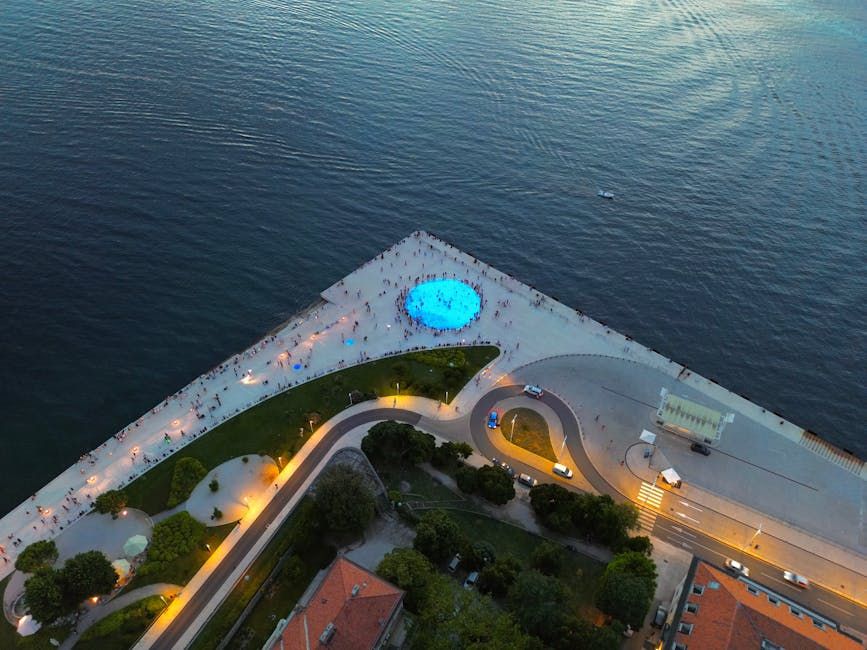
Zadar has the kind of coastal atmosphere travelers say they want—walkable streets, the sea always within reach, and a historic core that feels lived-in rather than staged—yet it often sits in the shadow of Split and Dubrovnik. That contrast is exactly what makes it special. You can spend a day moving between Roman ruins, contemporary waterfront art, and a quiet beach without feeling like you’re navigating a theme park version of Croatia. Zadar is a city where the details stay with you: the sound of water against stone, the changing light on the old town walls, the scent of pine drifting in from nearby islands.
A real old town that still feels like a town
Many coastal destinations have an “old town” that functions mainly as a backdrop for photos. Zadar’s old town is different: it remains a working town center where daily life and heritage overlap naturally. The peninsula layout helps—everything is compact, and you can cross the historic core in minutes, passing layers of history as if they were ordinary street corners.
Ancient Roman remains sit close to medieval churches and elegant Austro-Hungarian facades. Instead of needing a strict itinerary, you can follow your curiosity: turn down a side street, step into a small square, and notice how the city’s rhythm changes from busy café terraces to quieter residential lanes. It’s a place that rewards unplanned wandering, especially in summer when the long evenings invite you to slow down and linger.
A coastline designed for lingering, not just sightseeing
Zadar’s waterfront is not merely something to look at—it’s a public space designed for spending time. The promenade invites an easy ritual: a morning walk along the sea, a midday pause when the heat rises, and an evening return when the light softens. The famous installations here work because they belong to the setting rather than competing with it. You can sit close to the water, listen, and watch boats cut through the bay as the city gradually shifts into night mode.
That relationship to the coast is a major reason Zadar feels underrated. In Split, the seaside is vibrant but often crowded; in Dubrovnik, the views can be spectacular but frequently come with a sense of performance. Zadar’s shore feels more personal—less about checking off landmarks and more about experiencing the place.
Beaches and easy escapes when you want pure water and sun
If your ideal Croatia trip includes swimming, Zadar makes it simple. You can find a beach experience without committing to long transfers, and the water tends to be clear and inviting for much of the season. Some spots are lively and social, others quieter, where you can stretch out with a book and the sound of the sea becomes the main soundtrack.
What stands out is how effortlessly you can combine city and beach in a single day. Start with coffee in the old town, swim in the afternoon, then return for dinner without feeling like you’ve “left” your base. That balance is harder to achieve in more crowded coastal hubs, where time disappears into logistics.
Island time without the pressure of a complicated plan
Zadar is also a gateway city, with nearby islands that fit neatly into a relaxed day trip. You don’t need to chase the most famous names—although Hvar gets much of the spotlight elsewhere on the coast. Here, the appeal is variety: small harbors, simple seaside lunch spots, and coves where the natural beauty feels close and immediate.
A boat outing from Zadar can be as structured or spontaneous as you want. Some travelers plan a full island-hopping route; others simply choose one island and let the day unfold. Either way, you’ll notice how quickly the atmosphere changes once you’re on the water: the city recedes, the horizon opens, and you fall into a slower pace that feels like the real luxury of summer.
National park access that makes nature feel close
Few coastal cities offer such convenient access to a national park landscape. From Zadar, it’s realistic to combine urban culture with a nature-focused day: waterfalls, lakes, dramatic canyons, or coastal park scenery depending on your choice. The key advantage is that you can do it without sacrificing comfort or turning your trip into constant transit.
This proximity reshapes how you experience Croatia. Instead of choosing between the coast and nature, Zadar lets you mix both. One day can be about the sea and the old town; another can be about a park trail, shaded viewpoints, and that fresh, mineral scent you only notice away from the shoreline.
Food, wine, and the quieter side of Croatian hospitality
Zadar’s culinary scene fits the city’s character: confident, local, and less showy than what you might find in headline destinations. Seafood is naturally strong, but the broader experience often comes down to details—olive oil, seasonal vegetables, and the way a meal stretches into an evening. Add a good glass of Croatian wine and you begin to understand why travelers who stay here tend to talk about moments rather than must-sees.
Because the city is not as saturated with tourism as Dubrovnik, hospitality can feel more personal. Conversations last longer; recommendations feel genuine; and you’re more likely to discover a small place you’d never have found through a top-ten list.
Where to stay when you want Zadar at your doorstep
Location matters in a city like this. Staying in the historic center means you can step outside and immediately feel the old town’s energy—without needing taxis, schedules, or long walks back from the coast. For travelers who appreciate design, calm, and an adults-only atmosphere, boutique accommodation in the heart of Zadar can quietly elevate the entire trip.
Almayer Art & Heritage Hotel places guests inside the historic core in an intimate setting, blending contemporary comfort with local heritage. With a small number of individually styled rooms spread across restored buildings, it suits travelers who value privacy and a sense of place. The on-site Corte Restaurant adds another layer: a refined, intimate garden setting where dinner feels like a hidden discovery, even when you’re only steps from the city’s main sights. Having concierge support on hand also makes it easier to shape each day—whether you’re planning a boat outing, a beach afternoon, or a nature-filled day trip to a nearby national park.
The reason Zadar stays with you
Zadar doesn’t demand attention the way Split does, and it doesn’t trade entirely on spectacle like Dubrovnik. It earns its reputation through pace, texture, and contrast—stone streets against bright water, city life beside the sea, islands on the horizon, and nature close enough to reach without effort. When Croatia is at its best, it feels like this: unforced, beautiful, and quietly memorable, with just enough space to make the place feel like it belongs to you for a while.