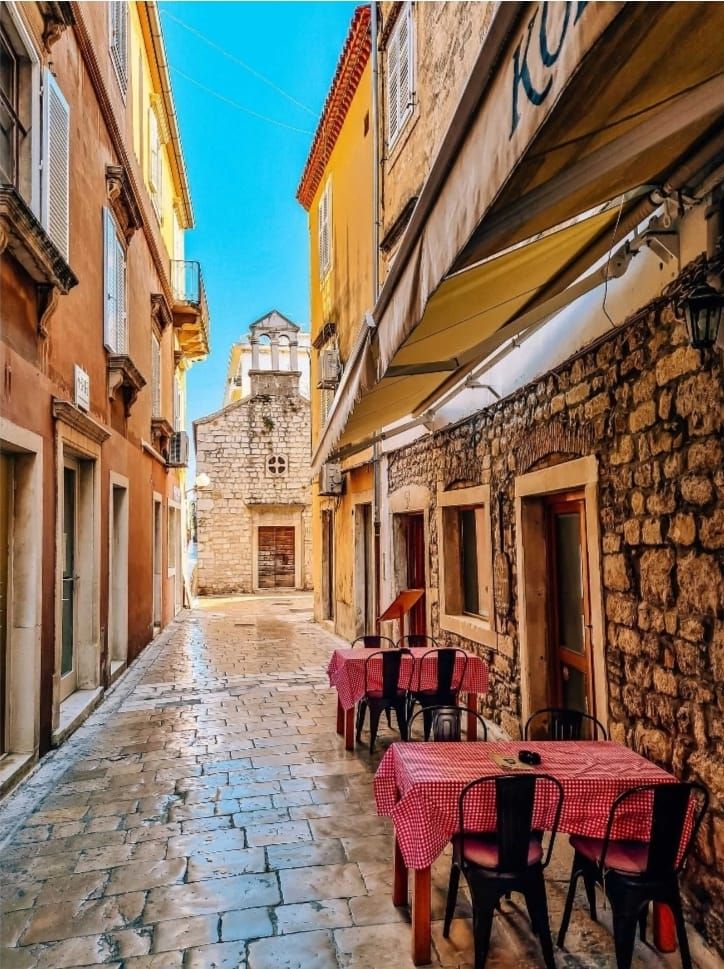
The Dalmatian Coast rewards travelers who resist the urge to rush from one landmark to the next. Stretching along some of the most compelling shoreline in Croatia, this part of Dalmatia is best understood slowly: through early walks in an old town, long lunches by the water, unplanned swims, and quiet ferry rides between mainland and island destinations. Instead of treating the coast as a checklist, slow travel turns each day into a fuller experience of place, rhythm, and atmosphere.
Why slow travel suits the Dalmatian Coast
The appeal of the Dalmatian Coast lies in contrast. A single trip can include Roman remains, medieval streets, pine-fringed coves, local markets, elegant waterfront dining, and rugged landscapes near a national park. Trying to compress all of that into a tightly packed schedule often reduces the coast to transport logistics.
A slower approach creates room for what makes Dalmatia memorable. You notice how the light changes over stone facades in the late afternoon, how a harbor sounds before the first ferry arrives, and how each town has its own pace. Split feels different from Dubrovnik, and both differ from smaller coastal settlements where the waterfront is still the center of daily life.
Choosing fewer stops and staying longer
One of the best ways to travel more slowly in Croatia is to reduce the number of overnight stays. Rather than moving every day, choose one or two bases and explore outward. This gives you more time to settle in, recognize favorite streets, and enjoy a destination beyond its most photographed corners.
Zadar works especially well for this style of travel. Its compact old town makes it easy to explore on foot, and its position on the central coast allows for easy access to nearby islands, beaches, and inland nature. Staying in a heritage property in the historic center adds another layer to the experience, especially when the architecture and atmosphere reflect the local identity rather than generic hotel design. Visitors interested in exploring Zadar can use the city as a relaxed and practical base.
In practical terms, a slower itinerary often looks like this:
- several nights in one coastal city
- one relaxed day trip by boat or ferry
- one nature-focused outing, such as a national park
- unstructured hours for cafés, galleries, markets, and waterfront walks
That balance leaves enough room for both discovery and rest.
Experiencing the old town beyond the landmarks
Every major coastal city in Dalmatia has a historic core, but the most rewarding moments often happen outside peak sightseeing hours. Wake early and take a quiet walk through the old town before it fills. In the evening, wander again when the temperature drops and the stone streets begin to glow.
In Split, slow travel means seeing more than Diocletian’s Palace as a monument. It means noticing that the palace is still part of the living town, with homes, shops, and cafés woven into ancient walls. In Dubrovnik, the famous walls and polished streets deserve attention, but so do the less hurried moments: side alleys, sea views from quieter corners, and meals away from the busiest arteries.
The same principle applies in smaller places along the Dalmatian shoreline. The value is not only in what you see, but in how much time you allow yourself to truly absorb it.
Let the sea set the pace
On the Dalmatian Coast, water is not just scenery. It shapes movement, mood, and daily routine. Slow travel here often means accepting the sea as part of the journey rather than simply a backdrop. Taking a local ferry instead of a fast transfer can change the entire feel of a trip. The crossing becomes part of the experience, with a shifting view of harbors, stone villages, and open blue water.
An island visit is often more satisfying when limited to one destination rather than several in a single day. Instead of island-hopping at high speed, choose one place and stay long enough to swim, have lunch, and take a coastal walk. Whether you arrive by public boat or private excursion, the slower rhythm allows the landscape to feel less staged and more lived-in.
Beaches also fit naturally into this approach. The best beach moments are rarely about chasing the most famous cove. They come from finding a comfortable stretch of shoreline, bringing a book, and staying long enough to enjoy the changing light and quieter hours.
Make room for food, art, and evening atmosphere
Slow travel is not inactivity. It is attention. On the Dalmatian Coast, that attention often turns to food and cultural detail. A memorable restaurant experience is rarely just about the menu; it is also about setting, pacing, and local character. Long dinners in a garden courtyard, especially at places like Corte Restaurant, seafood by the sea, or a glass of wine after sunset can become defining moments of a trip.
Boutique stays in historic settings support this style of travel particularly well. In a smaller property, guests often connect more easily with the spirit of the city, whether through architecture, art, or thoughtful local recommendations. In Zadar, an adults-oriented heritage hotel in the heart of the old town offers exactly the kind of calm, refined base that complements a slower coastal journey, especially for those seeking adults-only accommodation.
Planning a slower route through Dalmatia
A good slow-travel route through Dalmatia does not need to cover the entire coast. It is often better to combine one major city, one island, and one inland or coastal nature excursion. A few well-chosen stops create a richer experience than a hurried circuit from Split to Dubrovnik with too little time in either.
Think in terms of rhythm rather than distance. Leave space between arrivals, avoid overloading each day, and accept that not every famous place needs to fit into one trip. The Dalmatian Coast is most generous when approached with patience, curiosity, and enough freedom to follow the atmosphere of a town, the pull of the sea, or the simple pleasure of a long waterfront walk.