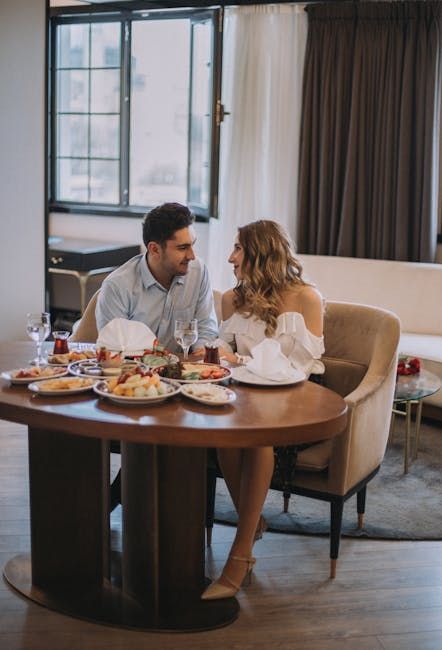
A 16-room boutique hotel offers something larger properties rarely achieve: a stay that feels curated rather than standardized. The scale changes everything, from the pace of the day to the quality of the service, the atmosphere in each room, and the way guests connect with the surrounding city. Instead of moving through crowded lobbies, long corridors, and busy breakfast halls, you step into a more personal rhythm where detail matters.
A more personal kind of hospitality
The biggest difference in a small boutique hotel is the human experience. With only 16 rooms, staff can deliver a level of attention that feels intuitive rather than scripted. A guest is more likely to be welcomed by name, offered tailored recommendations, and supported with practical local advice that improves the entire stay.
This kind of service is especially valuable in a historic destination. When a hotel sits in the old heart of a coastal city, proximity becomes part of the experience. You are not spending extra time commuting back and forth to major landmarks, waterfront walks, museums, or evening dining. You are already there, and that changes how each day unfolds. A short morning walk for coffee, a relaxed afternoon return to your room, and a late night stroll all feel effortless, especially in places shaped by local history such as Zadar.
Rooms with individuality, not repetition
One of the defining features of a good boutique hotel is that the rooms do not feel copied and pasted. In a smaller property, each room can have its own personality through layout, textures, artwork, and architectural details. That individuality creates a stronger sense of place and often makes the hotel feel closer to a refined house than to a conventional commercial property.
In a heritage setting, this becomes even more appealing. Restored historic buildings can preserve original character while introducing modern comfort, allowing guests to enjoy contemporary design without losing the charm of the past. That balance is often what people mean when they describe a good boutique experience: comfort, style, and authenticity working together.
Rather than relying on excess, boutique luxury usually comes through thoughtful choices. Quality bedding, calm lighting, elegant bathrooms, sound sleep, and a visually coherent interior often matter more than size alone. Guests looking for a memorable stay tend to value atmosphere just as much as square footage.
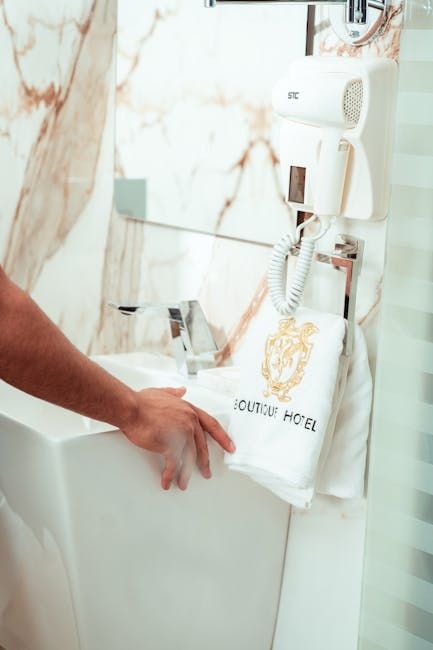
A quieter atmosphere with more privacy
A 16-room property naturally feels calmer. There is less noise, less traffic, and less waiting. For many travelers, that is one of the most persuasive reasons to choose boutique accommodation over a larger hotel. Privacy becomes part of the everyday experience, whether you are arriving late at night, enjoying breakfast at an unhurried pace, or returning after exploring the old town.
This type of environment appeals to couples, culture-focused travelers, and guests who want a more refined base. It can also suit those who prefer an adults-oriented atmosphere over family-heavy resorts. The result is a more peaceful setting where public spaces remain intimate and the entire property feels carefully protected from the usual stress of mass tourism.
Dining that adds real value to the stay
A standout restaurant can elevate a boutique stay from comfortable to memorable. In a smaller hotel, dining often feels more integrated into the identity of the property. Instead of being a secondary convenience, the restaurant may become one of its defining features, especially if it offers a distinctive menu, strong culinary standards, and a setting that encourages guests to linger, much like Corte Restaurant.
An intimate garden courtyard, for example, creates a completely different mood from a large dining hall. It becomes a hidden spot where breakfast feels relaxed, dinner feels special, and a glass at the bar turns into a full evening experience. Guests increasingly look for this type of layered hospitality: a place to sleep well, eat very well, and enjoy the surroundings without needing to leave the property at every moment.
For travelers who usually search for a spa, rooftop, or extensive resort facilities, a smaller boutique hotel offers a different form of value. It may not center the experience around large wellness zones, but it often compensates with atmosphere, privacy, excellent food, and meaningful design. For many guests, that trade-off feels more memorable than a long list of generic amenities.
Art, heritage, and a stronger sense of place
A good boutique hotel should reflect its destination, not just host people passing through it. This is where art, architecture, and local history become important. When a hotel is set across restored heritage buildings and includes curated artistic elements, the experience gains depth. The property stops feeling interchangeable and starts feeling rooted.
That sense of identity matters to modern travelers. Someone searching for a stylish hotel in London may still want character over uniformity, and the same principle applies in any historic European destination. Guests are not simply booking a place to sleep; they are choosing an environment that shapes how they remember the trip. A boutique stay that incorporates local culture, visual storytelling, and architectural character becomes part of the journey itself, especially in properties with a distinct hotel history.
Better for exclusive and special-purpose stays
A 16-room size also opens possibilities that larger hotels cannot offer as easily. Full-property bookings become realistic, making the hotel suitable for private celebrations, discreet corporate gatherings, or group travel that values exclusivity. In those cases, the hotel can feel almost like a private home, but with professional hospitality behind it.
For the individual traveler, the same scale creates reassurance. Every detail feels easier to navigate, from booking directly to coordinating arrival, dinner reservations, and concierge support. There is less friction and more clarity, which is exactly what many people want from a premium stay.
Ultimately, a 16-room boutique experience is defined by intimacy, character, and precision. It gives the guest a quieter rhythm, more attentive service, distinctive rooms, strong dining, and a genuine connection to the surrounding city—all the qualities that turn a simple overnight booking into a memorable boutique hotel experience.