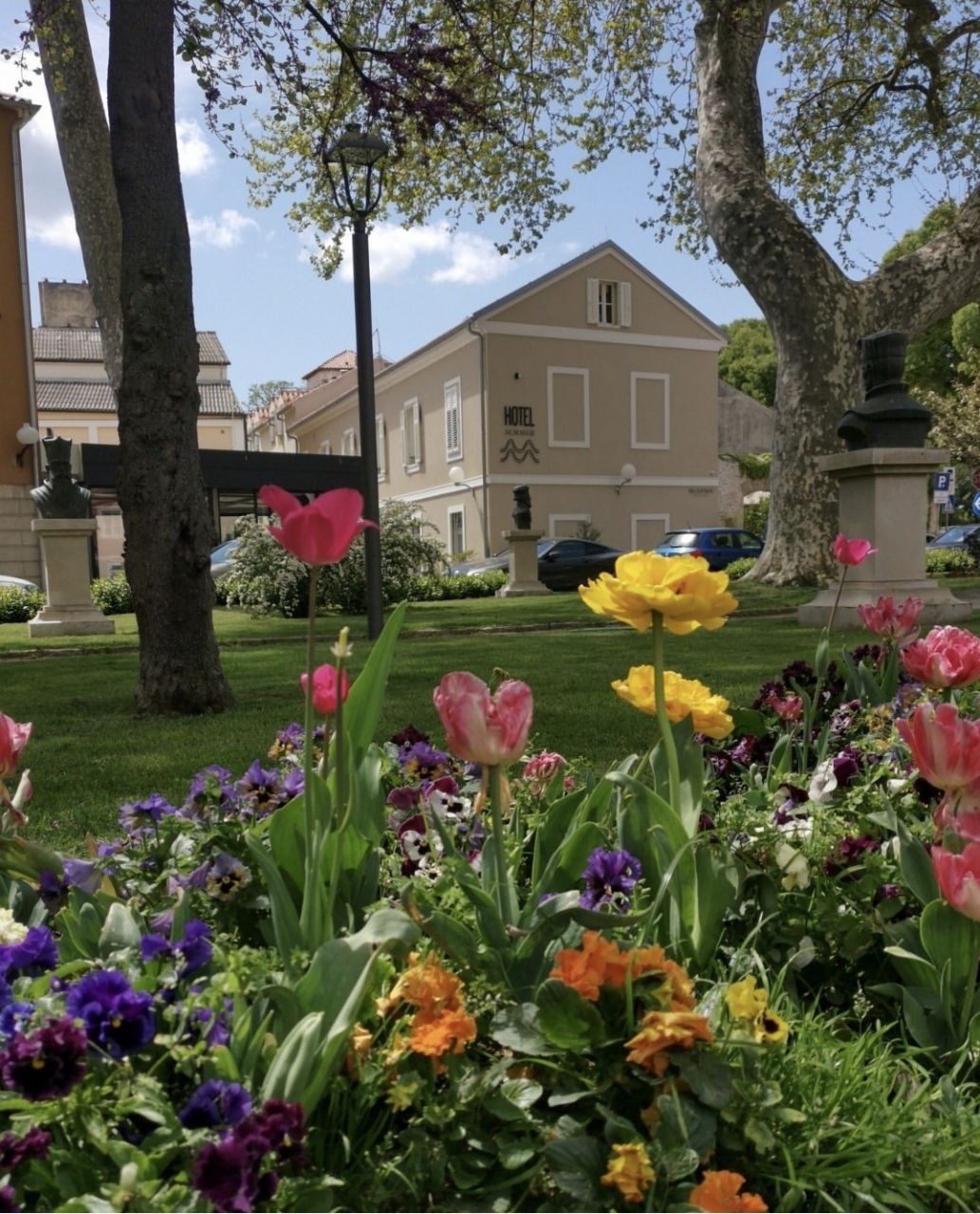
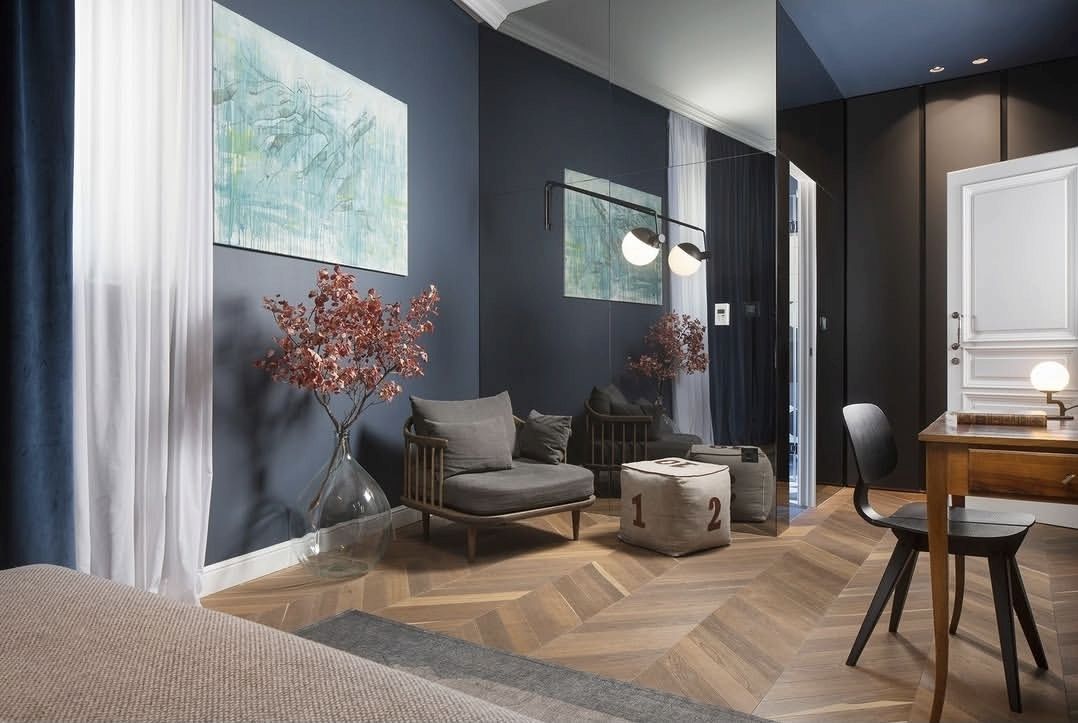
A boutique hotel often leaves a stronger impression because it feels intentional from the first moment to the last. Instead of moving through a large, standardized property designed to serve hundreds of guests at once, travelers step into a place with a distinct identity. The atmosphere, the design choices, the pace of the stay, and the style of service all work together to create a more personal and lasting memory.
For many travelers, the difference is not only about size. It is about how a hotel makes them feel. A large resort may offer scale, variety, and a long list of facilities, but a boutique experience usually delivers something more emotional: character, intimacy, and a real sense of place.
Character matters more than scale
The most memorable hotels are rarely the ones that feel interchangeable. A chain hotel may provide predictability, which can be useful for certain trips, but that same consistency can also make one destination feel very similar to another. Guests may remember the pool, the breakfast layout, or the lobby music, yet struggle to recall anything unique about the property itself.
A boutique hotel, by contrast, tends to have a personality. The architecture may reflect the history of the building, the interiors may be shaped by local materials and art, and each room may have details that avoid the repetitive feel common in a large hotel. This sense of individuality gives travelers something specific to remember. The stay becomes attached to a story rather than just a booking.
That is one reason many boutique hotel properties stand out. They are not trying to look the same everywhere. They are trying to belong exactly where they are.
Personalized service creates a stronger connection
Memorable hospitality is often built on recognition. When staff remember a guest’s preferences, recommend a restaurant based on actual taste, or adjust the experience with care, the stay feels more human. This is where personalized experience becomes more than a marketing phrase.
In a smaller hotel, teams usually have more space to notice details. A receptionist may remember an arrival time. A concierge may suggest a quieter beach, a local exhibition, or a neighborhood café that would never appear in a generic guide. That type of attention creates a sense of connection between the guest and the property.
Large resorts can certainly offer professional service, and some deliver exceptional standards. Yet the operational complexity of a large hotel often makes interactions less individual. When many guests are checking in, dining, requesting transport, and using every amenity at once, service naturally becomes more system-driven.
In many boutique settings, hospitality feels less transactional and more intuitive. For travelers who value warmth and recognition, that difference is unforgettable.
Design shapes memory
People remember places visually. A stay becomes more vivid when the surroundings have a coherent aesthetic and a clear point of view. Design in a boutique property is rarely just decorative. It helps express identity.
Many boutique hotel concepts use design to connect architecture, comfort, and atmosphere. Lighting may be softer, materials more tactile, and public spaces more intimate. Art, furniture, and layout are often chosen to support a particular mood rather than to satisfy mass expectations. The result is a more immersive experience.
This does not always mean extravagant luxury. In fact, memorable boutique hospitality often comes from restraint. A carefully designed room, a quiet courtyard, a heritage building restored with sensitivity, or a dining area that feels hidden and calm can leave a deeper impression than oversized spaces with little personality.
A guest may forget how many bars or pools a resort had. They are less likely to forget a property that felt visually distinctive and emotionally coherent, especially one rooted in hotel history and thoughtful restoration.
Local culture feels more authentic in a boutique setting
One of the strongest advantages of the boutique model is its natural relationship with local culture. Instead of insulating travelers from the destination, it often brings them closer to it. The building itself may have a story. The food may reflect regional ingredients. The art on the walls may come from local or national creators. Even the rhythm of the stay may feel more connected to the city outside.
This matters because many travelers are no longer looking only for accommodation. They want context. They want to understand where they are, not simply sleep there. A boutique hotel can act as a bridge between visitor and destination, giving the stay more meaning.
A resort or chain property may still provide comfort and convenience, but it can sometimes feel detached from its surroundings. When the environment inside the hotel could exist almost anywhere, the memory of the destination becomes weaker. A property rooted in place, by contrast, tends to stay in the mind long after the trip ends.
Smaller scale often means better balance
Many travelers assume more options automatically mean a better stay: more restaurants, more entertainment, more facilities, more activity. Yet abundance does not always create satisfaction. In practice, too much scale can dilute calm, privacy, and ease.
Many boutique hotel stays are memorable because they feel balanced. There is enough comfort, enough luxury, and enough thoughtful amenity to support the guest without overwhelming the experience. The property is easier to navigate, common areas feel calmer, and the overall atmosphere is often more refined.
This is especially important for couples, solo travelers, and adults seeking a quieter escape. Their preference may not be endless choice, but a setting that feels private, elegant, and carefully curated. In that context, a smaller hotel offering can be more valuable than a larger one, particularly within an adults-only hotel designed for a more peaceful stay.
The stay feels like part of the destination
The most memorable properties do not function only as places to sleep. They become part of the journey itself. That is where many boutique hotels excel. They transform accommodation into something experiential, layered, and specific.
For the modern traveler, this matters more than ever. People remember places that engage the senses, reflect the spirit of the location, and make them feel genuinely welcomed. A boutique hotel can do this through architecture, atmosphere, gastronomy, art, and attentive hospitality without relying on scale.
That is why many boutique hotels remain vivid in memory long after checkout. The guest does not just remember the room or the service. They remember how the entire stay felt, and how naturally the property became part of the place they came to discover, whether through the hotel itself or nearby Zadar experiences.